


Digestive disorders during exercise – Possible causes and advice on how to avoid them

Intestinal cramps, nausea, diarrhea, vomiting... If you're an athlete, especially a runner, it's highly likely that you've already experienced these digestive problems. In this article, I'd like to take a look at the main causes of digestive problems during exercise, and above all give you practical advice on how to prevent and avoid them in the future.

30 to 90% of athletes concerned
According to numerous testimonials, gastrointestinal disorders are among the main causes of under-performance during competitions. Depending on the study and the criteria used, between 30% and 90% of long-distance runners report suffering from exercise-related digestive disorders.
These disorders vary in intensity, from simple nausea to more severe symptoms such as vomiting, acute abdominal pain and even diarrhea.
Over and above their immediate impact on performance, they can also lead to a weakening of the intestinal mucosa, which in turn can cause inflammatory, osteotendinous or immune disorders in the medium and long term.
As Bill Rodgers, four-time winner of the Boston and New York marathons in the late 1970s, sums it up: “More marathons are won or lost in the toilet than at the table.”

The main nutritional causes
Digestive disorders during exercise can have two main nutritional causes:
- Alteration of the intestinal ecosystem
- Inadequate nutrition before or during exercise.
The intestine: a sportsman’s weak link
Our intestinal ecosystem is made up of a tripod:
Comment soutenir La Sportive Outdoor?
L'une des façons de nous soutenir est de faire vos achats via nos sites partenaires.
L'idée n'est évidemment pas de vous pousser à la consommation: n'achetez que ce dont vous avez besoin mais, lorsque vous le faites, passer par nos liens nous aide car nous touchons ainsi une petite commission sans aucun coût supplémentaire pour vous.
Vous pouvez par exemple en ajouter certains en favoris pour vos prochains achats. Pensez à accepter les cookies de nos partenaires dès l’arrivée sur leur site.
- i-Run: jusqu'à -50% pour les Running Weeks
- Ekosport: -20% extra sur les nouveautés rando et bivouac
- Intersport: des offres sur la randonnée (notamment)
- Muule: 15% de promo avec le code VIP15
- Decathlon: pas mal de bons plans
- Lyophilisé&Co: lyophilisés, nutrition sportive et matos de bivouac
Pour plus de façons de nous soutenir, c'est ici.
- The intestinal mucosa (over 300m2 surfacearea )
- Intestinal flora (over 100,000 billion bacteria)
- The immune system (over 70% of the immune system is linked to the gut)
We can compare our intestinal mucosa to a wall protecting a precious treasure: our intestinal immune system, fragile and constantly maturing.
To protect this treasure, an army stands guard: the bacteria of our microbiota or intestinal flora. Like a village made up of many families living in harmony, these bacteria play an essential role in defending our intestinal barrier.
In the case of the intestine, these assailants can be diverse: pathogens, stress, repeated use of anti-inflammatory drugs, poor diet, etc.
They can weaken the wall, disorganize the intestinal flora and attack the immune “treasure trove”. In response, the body triggers inflammation to defend itself.
This mechanism, although initially protective,can lead in the medium term to an increase in permeability and thus an alteration of the intestinal ecosystem, creating a vicious circle that is difficult to break.

During exercise, the phenomenon of ischemia-reperfusion further reinforces this vicious circle. During exercise, blood is primarily redirected to the muscles, which considerably reduces blood flow to the digestive organs. During intense exercise, this reduction in intestinal blood flow can be as high as 80%, so our intestines are irrigated at around 20%.
When exercise stops, the sudden resumption of blood flow to the digestive system, known as “reperfusion”, results in a massive influx of oxygen. This leads to excessive production of free radicals, which damage the intestinal mucosa and disrupt the tight junctions between cells.
The repetition of these episodes during training leads to increased fragility of intestinal cells and alteration of the junctions that normally ensure intestinal impermeability, leading in the long term to intestinal hyperpermeability (“sieve” intestine).
This situation of hyperpermeability can therefore be the breeding ground for serious digestive disorders during exercise, but can also lead to other chronic problems such as inflammatory disorders, particularly of the osteo-tendinous type, immune disorders such as repeated infections, food intolerances or allergies.
Nutrition during exercise
Poorly adapted nutrition and hydration before and during exercise can have a direct impact on your digestive comfort.
Certain mistakes, made even before the start of the race, can significantly increase the risk of digestive disorders. Among the most common are
- Too short a time between the last meal and the start of exercise: this can disrupt digestion and cause intestinal discomfort, as well as limiting muscle availability due to incomplete digestion.
- A diet too rich in foods that irritate the digestive system: this is the case for aggressive fibers (found in wholegrain cereals, legumes, certain fruits and vegetables), fatty meats, dishes rich in cooked fats, and spicy foods such as chili peppers. Dairy products, milk and gluten can also cause digestive problems in some people.
- Run on an empty stomach: recent studies show that the presence of carbohydrates and proteins in the body prior to exercise plays a protective role for the intestine. Running on an empty stomach, or too long after the last meal (more than 4 hours), can lead to a deterioration in intestinal permeability.

During exercise, several factors can cause serious digestive problems.
As mentioned above, insufficient carbohydrate intake can be detrimental to the gut. It is therefore essential to provide carbohydrates on a regular basis throughout the effort. However, care must be taken with both form and quantity: poor management of carbohydrates can also lead to digestive problems.
For example, consuming too much liquid can distend the stomach, causing abdominal pain, discomfort and sometimes vomiting. Similarly, improper use of beverages or solid foods can upset the digestive system.
So-called “hypertonic” beverages, which are too rich in carbohydrates or sodium in relation to their concentration in the blood, remain in the stomach for too long, increasing the risk of diarrhoea by speeding up intestinal transit. This is why highly concentrated beverages such as soft drinks are not recommended for athletes prone to digestive problems.
Energy gels, often too concentrated in carbohydrates, can also be a problem. As for solid foods, their digestion is slower due to their fiber, protein or lipid content, which can accentuate discomfort.
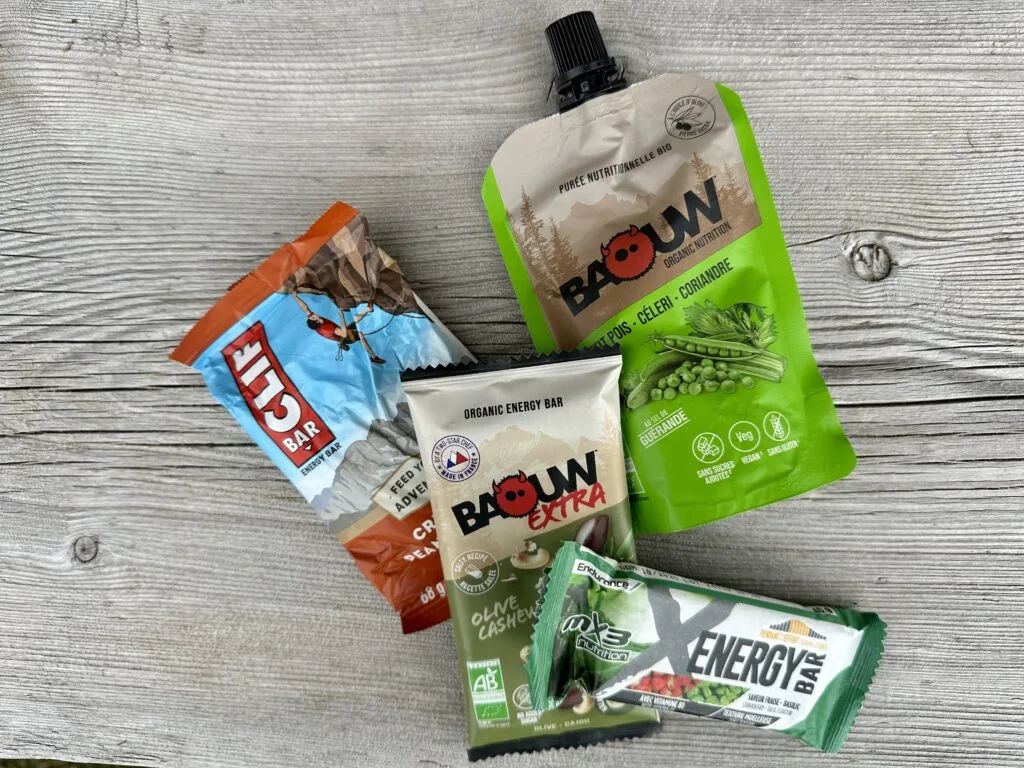
That’s why it’s so important to choose your products carefully and, above all, to test them in training. Don’t leave anything to chance on race day, just as you wouldn’t wear a new pair of shoes for an ultra.
Finally, don’t forget that dehydration aggravates digestive problems by increasing intestinal ischemia. Good hydration therefore remains an essential pillar of digestive performance and comfort.
Solutions in practice
Before an effort
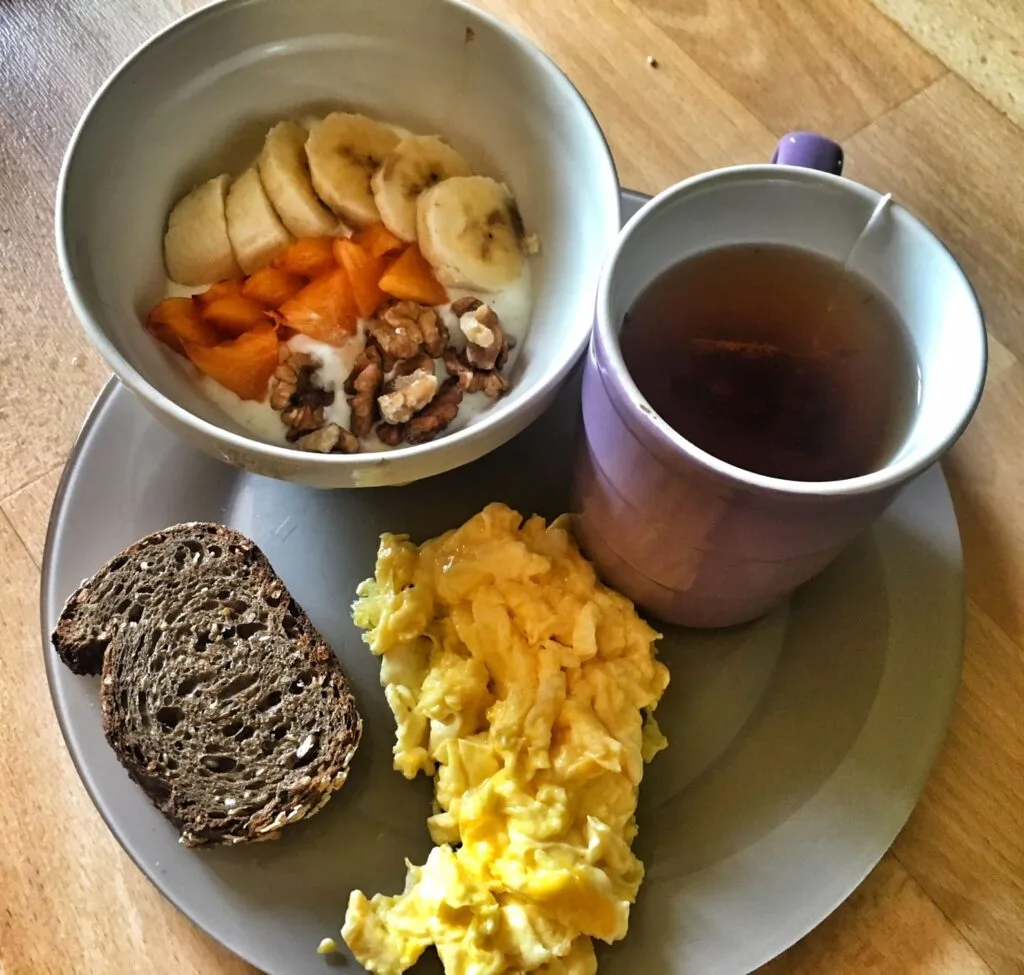
Respect a 3-hour delay between the end of your meal and the start of your activity, so if your competition starts at 10 a.m., your breakfast should be finished by 7 a.m.
Depending on the composition of your plate, for example if it contains little protein and therefore mainly carbohydrates such as oatmeal porridge, compote and a little honey, this time can be reduced to 2 hours.
In the 24 to 48 hours before your race, avoid cooked fats (especially fried foods), spices, “hard fiber” fruits and vegetables (cucumbers, peppers, tomatoes, cabbage, garlic, onions, salsify, cherries, melon, etc.), legumes (lentils, dried peas, dried beans), ultra-processed foods, alcohol and even coffee for the more sensitive.
The adoption of a diet low in dairy products, gluten and even FODMAPs may be necessary for the most sensitive.
To give you a few ideas , here’s an example of a race-eve dinner that doesn’t contain “high-risk” foods.
- Entrée: diced beet (cooked) seasoned with 2 tablespoons rapeseed oil
- Dish: sliced poultry with cooked carrots and basmati rice
- Dessert: compote and/or coconut-type yoghurt
Finally, avoid starting an effort on an empty stomach or too far after your last meal (more than 4 hours).
Read also
During exercise
- Take the time, several weeks before your competition, to carefully select and test the products you plan to consume on D-day. Bear in mind that each of us is unique: a product that works for one person may not work for you.
- Drink regularly in small sips to avoid dehydration or too much liquid in the stomach. Aim for an average of 500mL/hour of effort (to be adapted according to your level of perspiration and the heat).
- Avoid products containing excessive amounts of protein and/or fat , as found in some bars.
Every day
As mentioned above, disruption of the intestinal ecosystem can lead to chronic digestive disorders. It is therefore essential to restore it. To achieve this, I believe it is necessary to work with you to adapt your diet and assess the need for supplements.
Conclusion
In short, if you experience digestive problems during exercise, it’s essential to re-evaluate your nutritional strategies not only before and during exercise, but also in your daily routine.
Don’t forget that your digestive system, like your muscles, needs time to adapt. It has to learn to tolerate solid and liquid foods during exercise. To do this, regularly incorporate the products you plan to consume in competition into your long training sessions. The objective here is not energy intake, but digestive adaptation.
Bibliography
- Clark, Allison, and Núria Mach. “Exercise-Induced Stress Behavior, Gut-Microbiota-Brain Axis and Diet: A Systematic Review for Athletes.” Journal of the International Society of Sports Nutrition, vol. 13, 2016, p. 43, https://doi.org/10.1186/s12970-016-0155-6.
- De Oliveira, Erick Prado, et al. “Gastrointestinal Complaints During Exercise: Prevalence, Etiology, and Nutritional Recommendations.” Sports Medicine, vol. 44, no. 1, May 2014, pp. 79-85, https://doi.org/10.1007/s40279-014-0153-2.
- Houghton, Michael J., et al. “Plasma Measurements of the Dual Sugar Test Reveal Carbohydrate Immediately Alleviates Intestinal Permeability Caused by Exertional Heat Stress.” The Journal of Physiology, vol. 601, no. 20, Oct. 2023, pp. 4573-89, https://doi.org/10.1113/JP284536.
- McKay, Alannah K. A., et al. The Impact of a Short-Term Ketogenic Low-Carbohydrate High-Fat Diet on Biomarkers of Intestinal Epithelial Integrity and Gastrointestinal Symptoms. Aug. 2023, https://doi.org/10.1123/ijsnem.2023-0009.
- Pfeiffer, Beate, et al. “Nutritional Intake and Gastrointestinal Problems during Competitive Endurance Events.” Medicine & Science in Sports & Exercise, vol. 44, no. 2, Feb. 2012, p. 344, https://doi.org/10.1249/MSS.0b013e31822dc809.Zuhl, Micah, et al. Exercise Regulation of Intestinal Tight Junction Proteins. June 2014, https://doi.org/10.1136/bjsports-2012-091585.