


Outdoor sport: why do women come together?
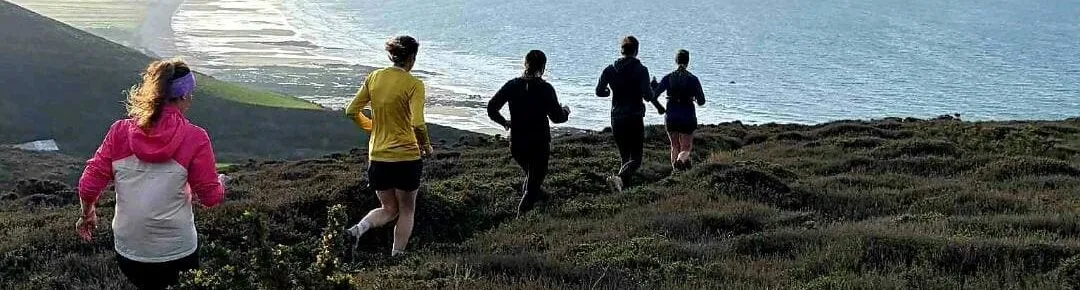
Faced with the persistent obstacles to outdoor sports, more and more women are choosing to practice with others. These non-mixed groups are redefining the codes of practice by placing safety, solidarity and trust at the heart of the sporting experience. Insecurity, sexism, a different approach to competition... so many reasons for women to get together to practice their favorite sport, in a chosen mix. Trail runners, cyclists and downhill skiers all benefit from this approach.
“Safe and non-judgmental
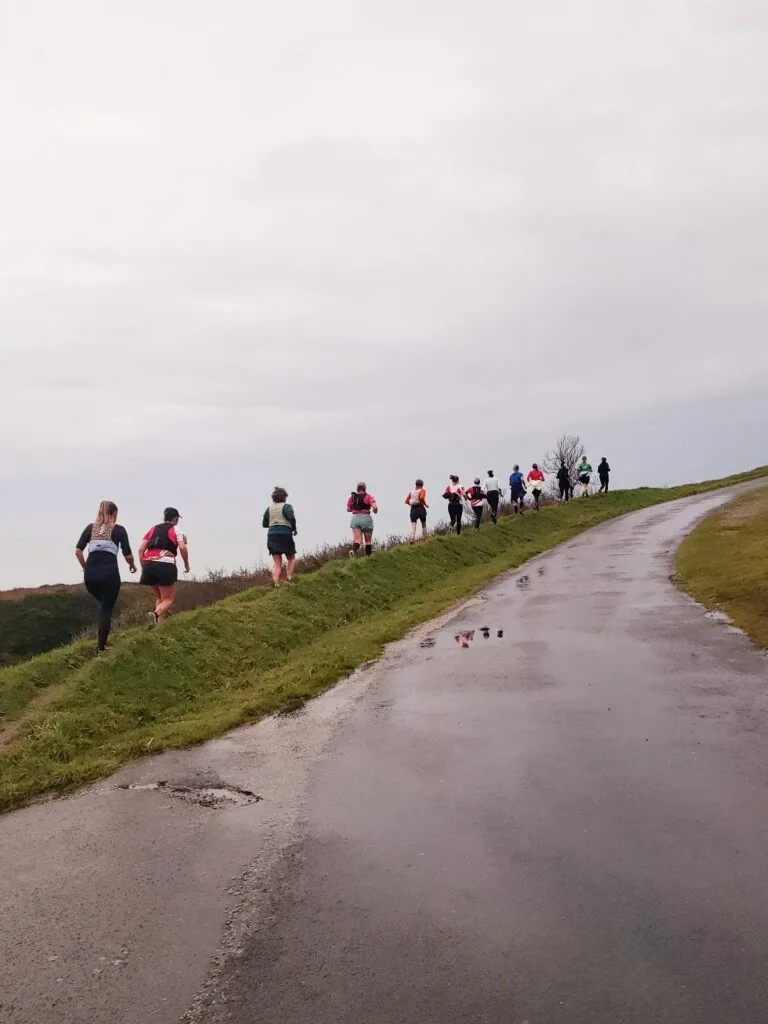
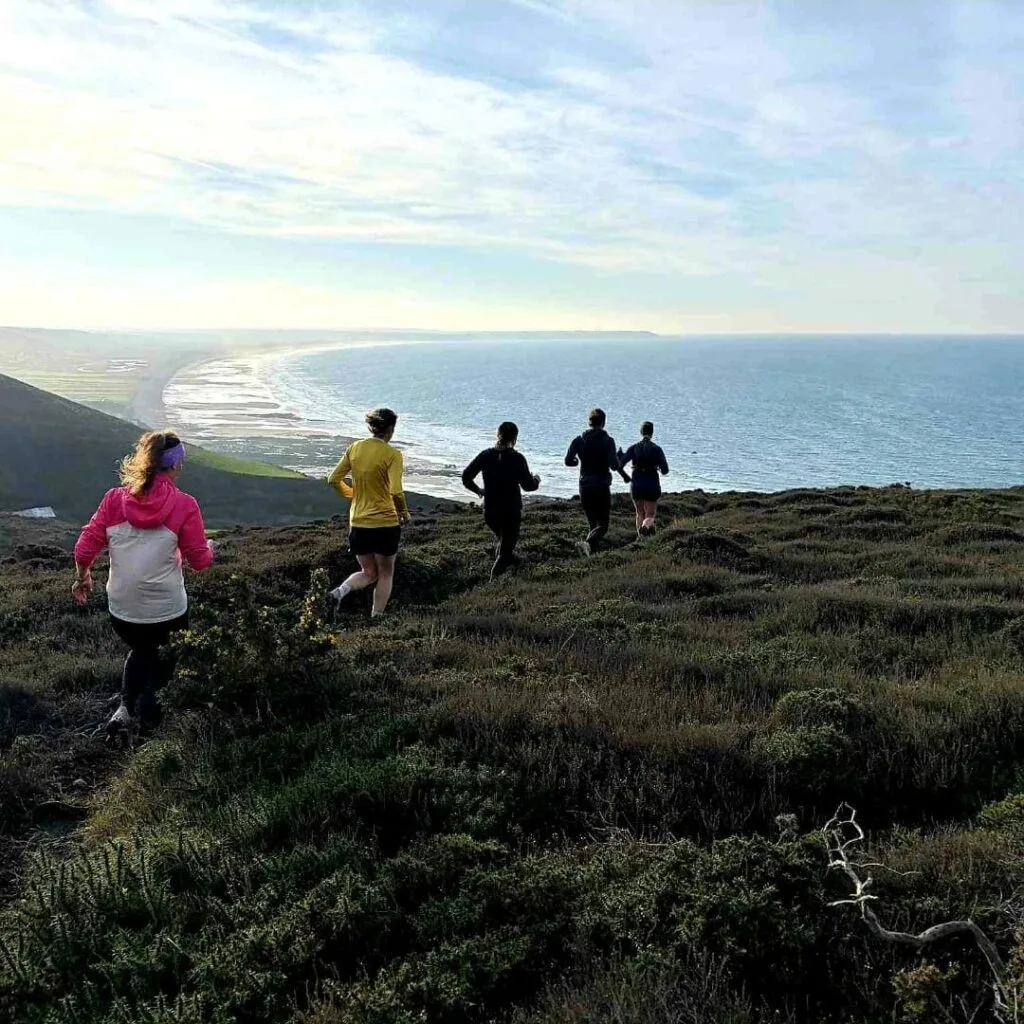
In Cherbourg, France, Aurore Maurin and Dorothée Mauduit created Meuf in trail at the end of 2025. ” The idea for the collective came up during a four-day hike. I thought it would be nice to create a women’s running group, to do trail running as girls, with zero pressure. The aim was also simply to get to know each other, as there’s no time to get to know each other when there are only a few of us on the course. “
Initially, there was no set frequency, but then weekly outings were set up, bringing together around twenty participants. ” We have a WhatsApp group on which we exchange and organize. Eventually, the aim would be to offer level groups. Dorothée has also set up a series of coffee-shop get-togethers on themes such as running anecdotes, advice on food and equipment… “
The benefits that stand out most from this unisex practice? ” A feeling of running in safety, without judgment, something that comes up again and again when I ask the girls what they get out of this group, is benevolence. “And we wait for each other to pee,” she adds. This may seem trivial. But it’s not. “In a mixed group, we have to hide, we’re embarrassed and, above all, we’re rarely expected. Here, everything’s simpler and easier. ”
A gateway to practice
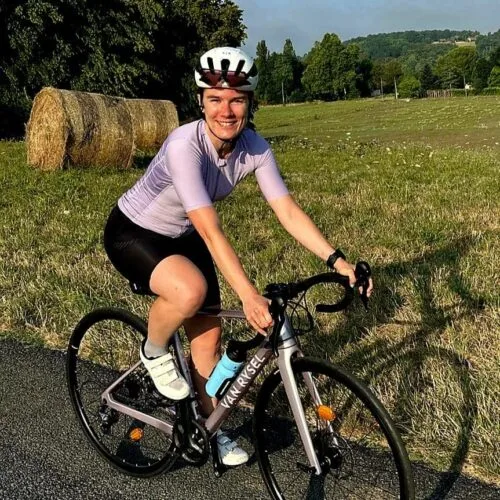
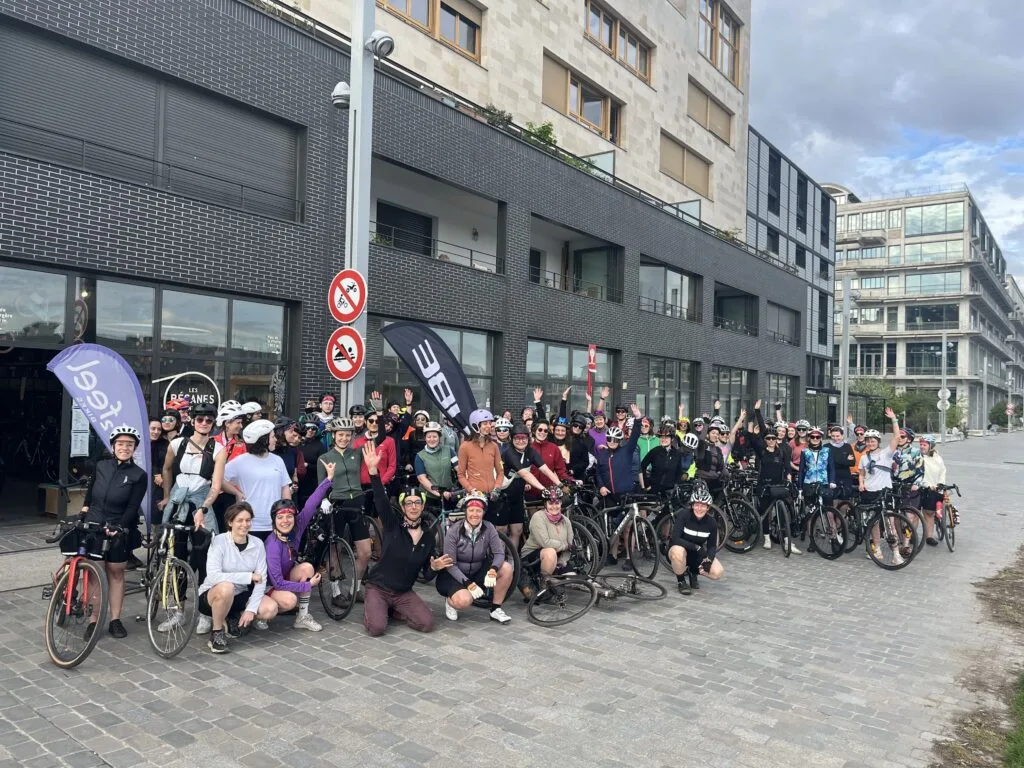
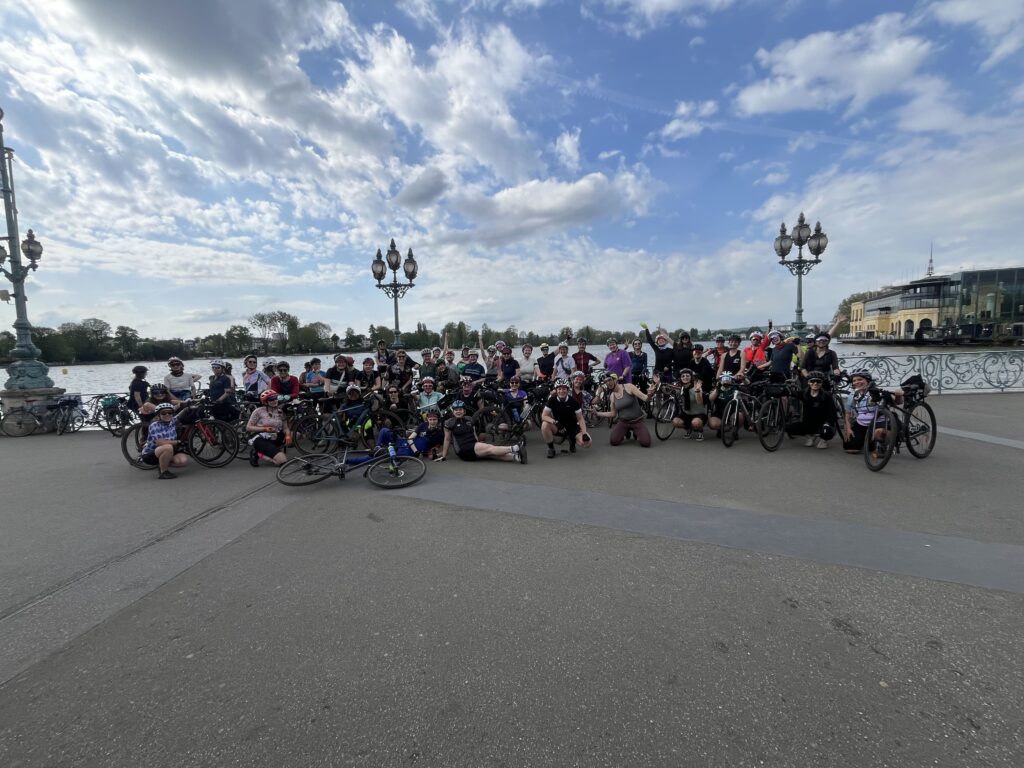
Benevolence. It’s a word that’s often, if not always, used by participants in all-female collectives. This is also true of Girls On Wheels (GOW) in Paris (Île-de-France). This cycling collective for women and gender minorities has been in existence for ten years. Anne-Louise Amanieu, who has been taking part for eight years, explains: ” I got into the cycling community through this collective. I also ride with mixed groups and quite a few women start out with us and then go on to ride with men. It’s a real gateway into the sport. ”
She continues: ” There’s a real collective strength. The idea is to create a group of trust and support. We don’t leave anyone out in the cold. Then afterwards, during the social time at the end, some of us come along to discuss gear, as they’ll be going off on their own later on. Others need to talk about saddles adapted to women’s morphology, for example. ”
Existing in the public space
Faced with criticism of non-mixity, she often responds with a comparison: ” When a person or a man asks us why we roll with each other, I’m talking about a basketball court. If a man sees women playing basketball with each other, it wouldn’t occur to him to impose himself on the game. In cycling, it’s more questionable because it’s seen as an individual sport. But the idea is also, and above all, to take our place and exist in the public arena. We need to, because women are still exposed to remarks, reflections and mockery, particularly when it comes to mechanics. “
According to a survey carried out by the FLASHS institute for Materiel-velo.com, many women give up cycling because of sexist behavior. 41% say they have already experienced aggressive or inappropriate behavior from motorists, cyclists or pedestrians, and this figure rises to 58% among younger women. Some report harassment, tailing or assault. As a result, 57% of women surveyed have already given up cycling.
According to another study, conducted by Kantar for Krys during the Tour de France Femmes, three out of four women prefer to practice in a group to feel safer and protect themselves from harassment.
A lever for lasting emancipation
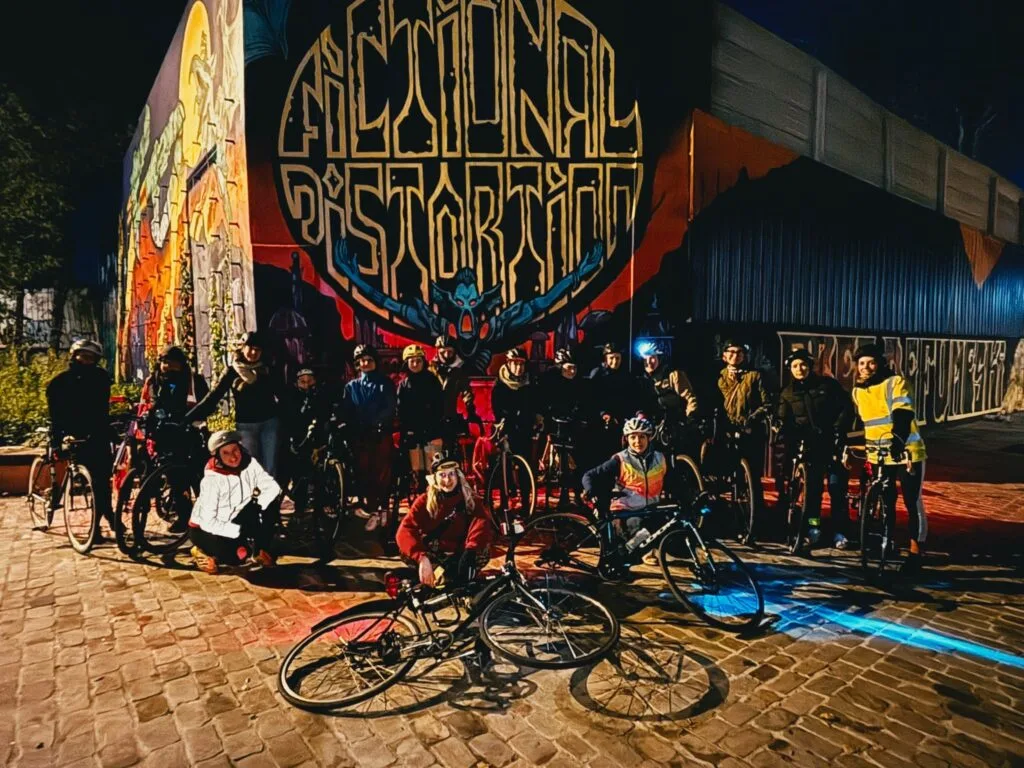
Fabienne Gillonnier, a STAPS teacher specializing in gender equality issues in sport, points out that ” over and above the safety aspect, non-mixing and the reassurance it gives women lead to empowerment “.
With her colleague Maud Vanpoulle, she draws a parallel with mountaineering, where experience with women’s groups such as Lead The Climb, Girls to the top, and Groupe d’Alpinisme Féminin (GAF), shows that these spaces can foster confidence-building and encourage the development of practice. The recent growth of these groups has been accompanied by a slight increase in the number of female climbers.
According to the researchers, the same applies to downhill skiing. ” In this sense, the presence of a female supervisor can also be relevant, as the mountain environment is still largely supervised by men, and a virilist culture is still entrenched, making it difficult for women to feel at ease,” adds Fabienne Gillonnier. Yet, as Aurore Maurin, founder of Meuf in trail, says, ” we can see that when the conditions are right and the environment is favorable, women dare. ” And that goes for all disciplines.
So take a look, there may be a 100% women’s collective near you.