


Sportswomen, optimize your micronutrient intake!
Regular exercise naturally increases energy requirements. But what we often forget is that vitamins and minerals are also more in demand. Let's take a look at how to incorporate these nutrients into your daily diet, through a balanced and varied diet.

Summary
- Micronutrition and sport: a balance not to be neglected
- B vitamins, allies for physical performance
- Vitamin C: a powerful antioxidant essential for athletes
- Vitamin D: your ally for immunity and bone health
- Magnesium: a key mineral for athletes
- Iron: essential for sports performance
- Coenzyme Q10 supports cellular energy production
- Conclusion
Micronutrition and sport: a balance not to be neglected
Although required in small quantities, micronutrients play a crucial role in energy production, muscle contraction, immune function and the management of oxidative stress. For sportsmen and women, certain nutrients deserve special attention:
- Group B vitamins, essential for energy metabolism
- Vitamin C, a powerful antioxidant
- Vitamin D, for bones, muscles and immunity
- Iron for optimal oxygen transport
- Magnesium, a recovery ally
- And coenzyme Q10, to support ATP production (cellular energy)
Of course, this list is by no means exhaustive, but it does provide a solid basis for supporting an active body.
B vitamins, allies for physical performance
What are B vitamins used for?
In general, B vitamins play a central role in energy metabolism. They help transform carbohydrates, lipids and proteins into usable energy.
A deficiency in these vitamins can lead to persistent fatigue, muscular pain and even reduced physical performance.
They are therefore particularly important for people who take part in regular physical activity, whether for health, performance or recovery purposes.
Where to find them?
Most B vitamins are found in the following foods:
Comment soutenir La Sportive Outdoor?
L'une des façons de nous soutenir est de faire vos achats via nos sites partenaires.
L'idée n'est évidemment pas de vous pousser à la consommation: n'achetez que ce dont vous avez besoin mais, lorsque vous le faites, passer par nos liens nous aide car nous touchons ainsi une petite commission sans aucun coût supplémentaire pour vous.
Vous pouvez par exemple en ajouter certains en favoris pour vos prochains achats. Pensez à accepter les cookies de nos partenaires dès l’arrivée sur leur site.
- i-Run: jusqu'à -50% pour les Running Weeks
- Ekosport: -20% extra sur les nouveautés rando et bivouac
- Intersport: des offres sur la randonnée (notamment)
- Muule: 15% de promo avec le code VIP15
- Decathlon: pas mal de bons plans
- Lyophilisé&Co: lyophilisés, nutrition sportive et matos de bivouac
Pour plus de façons de nous soutenir, c'est ici.
- Wholegrain cereals (wild rice, quinoa, buckwheat)
- Pulses (lentils, dried peas, dried beans, broad beans)
- Dried nuts (almonds, walnuts, sunflower seeds)
- Meat and fish
- Offal
- Eggs
- Green vegetables
- Dairy products (for certain forms such as B2)

In practice
There are few, if any, foods that contain each of them in optimal quantities. A varied, well-balanced diet, preferably based on wholemeal products, is generally sufficient to cover B group vitamin requirements.
However, special attention must be paid to vitamin B12 in a vegetarian or vegan diet, as this vitamin is mainly found in animal products such as meat and fish, which can lead to a risk of deficiency.
So I advise you to eat wholegrain cereals such as quinoa, brown rice or buckwheat on a regular basis. And don’t forget to include legumes such as lentils, chickpeas or dried beans three or four times a week.
These foods are interesting not only for their fiber and nutrient content, but also because they provide useful energy during physical effort and help replenish reserves after exercise.
Brewer’ s yeast is often cited as a rich food, but I don’t recommend it in view of its potential effects on the balance of the intestinal microbiota.
Vitamin C: a powerful antioxidant essential for athletes
What is vitamin C used for?
When we engage in intense physical activity, our bodies generate more free radicals, molecules that can damage our cells and accelerate tissue ageing. This is known as oxidative stress.
To combat this excess of free radicals, it’s crucial to eat a diet rich in antioxidants. Vitamin C plays a key role in this defense. It helps combat oxidative stress, protecting the body from the negative effects of physical exertion.
But vitamin C has other roles too, helping to consolidate collagen fibers and intervening in the synthesis of molecules involved in nerve transmission (e.g. noradrenaline).
Daily requirements for sportswomen range from 110 to 210 mg.
Where can I find it?
- Raw bell bell pepper (half a bell bell pepper 65 mg vitamin C)
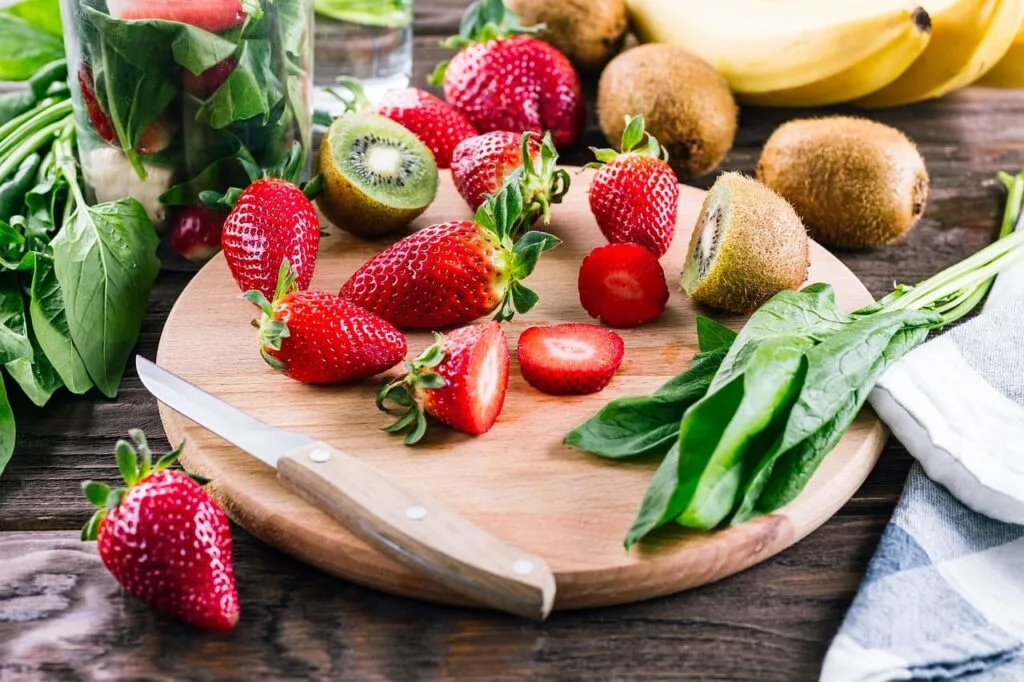
- Kiwifruit (1 kiwifruit provides an average of 70 mg)
- Strawberries (one bowl provides an average of 95 mg of vitamin c)
But also: guava, blackcurrant, lemon, orange, raw broccoli, grapefruit.
In practice
I advise you to eat these foods fresh and raw, as cooking can alter their vitamin C content. To improve your vitamin C intake, eat 2 kiwis for breakfast for 150 mg of vitamin C, or add raw peppers to your iron-rich lunch to promote absorption.
Vitamin D: your ally for immunity and bone health
What is vitamin D used for?
Vitamin D plays an essential role in the absorption of calcium and phosphate from the intestine, helping to mineralize bones and cartilage. It is also essential for proper neuromuscular function, and has a beneficial effect on our immune system, helping to prevent numerous infections.
Where can I find it?
Vitamin D is naturally present in very few foods (oily fish, eggs, dairy products), making it difficult to meet daily requirements through diet alone.
In France, the recommended daily intake for adults is 15 µg (or 600 IU), while the average intake from food is just 3.1 µg.
Some athletes are at increased risk of vitamin D deficiency, particularly those whose training environment limits sun exposure, such as indoor sessions, early mornings or late afternoons. This risk is also higher in dark-skinned people, as melanin slows down the skin’s synthesis of vitamin D, and in those living at latitudes above 35° north or south, where sunshine is reduced in winter.
However, the main source of vitamin D comes from exposure to the sun, via UV-B rays. This natural synthesis of vitamin D depends on several factors, such as: latitude (proximity to the equator), season (more effective in spring and summer), age, skin pigmentation and clothing worn.

In practice
To promote vitamin D synthesis, we recommend 15 to 20 minutes of moderate sun exposure in the late morning or afternoon (ideally between April and September).
In winter, when sun exposure is reduced, vitamin D supplementation (in the form of drops, which are better absorbed than bulb doses) is strongly recommended to maintain adequate levels. We generally recommend 1000 to 2000 IU per day, to be taken with a meal in the form of vitamin D3.
Magnesium: a key mineral for athletes
What is magnesium used for?
Magnesium is an essential mineral that plays a crucial role in the energy metabolism of carbohydrates, lipids and proteins, as well as in over 300 enzymatic reactions in our body! It is particularly involved in energy production, muscle contraction and nerve transmission, and supports general vitality.
As a sportsman or woman, you have an increased need for magnesium (600mg on average) to maintain optimum performance and promote recovery.
Where to find them?
- Pure cocoa
- Brazil nuts
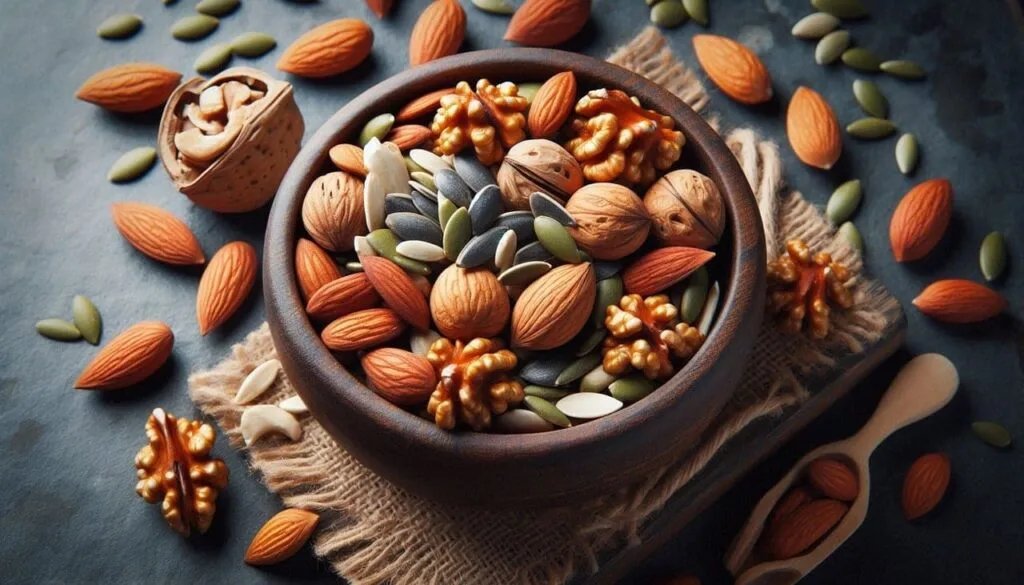
- Almonds, cashews
- Pulses (dried beans, lentils, chickpeas)
- Wholegrain cereals (brown rice, oats)
- Fish (especially oily fish)
- Winkles, whelks
- Seaweed (spirulina, nori, wakame)
In practice
Include one or two handfuls of oilseeds every day, especially almonds (30 g cover 20 to 25% of your magnesium needs).
You can add one or two squares of dark chocolate (minimum 70% cocoa) to your snacks: it’s a tasty and nutritionally interesting option. 2 fine squares of 70% cocoa chocolate, for example, cover around 20% of your magnesium requirements.
Finally, as with B vitamins, choose wholegrain cereals (such as wholegrain rice, wholegrain bread or wholegrain pasta) rather than refined versions at your main meals.
The consumption of fiber promotes the proper assimilation of magnesium, despite the presence of phytates in wholegrain cereals.
Iron: essential for sports performance
What is iron used for?
Iron requirements increase with training load and sporting activity, as it is essential for the transport and use of oxygen in muscles and tissues. Iron is also important for high-altitude sports requiring increased oxygen.
Iron deficiency can lead to fatigue, reduced performance and diminished endurance. A woman’s average iron requirement is 16mg, higher than that of men due to menstrual cycles.
Where to find them?
Heme iron (animal origin)
Haem iron is better absorbed by the body than non-haem iron of plant origin. It is mainly found in :
- Liver, blood pudding
- Oysters, duck, red meat
- Chicken, fish
Non-heme iron (of plant origin)
Although less well absorbed, it is present in plant-based foods:
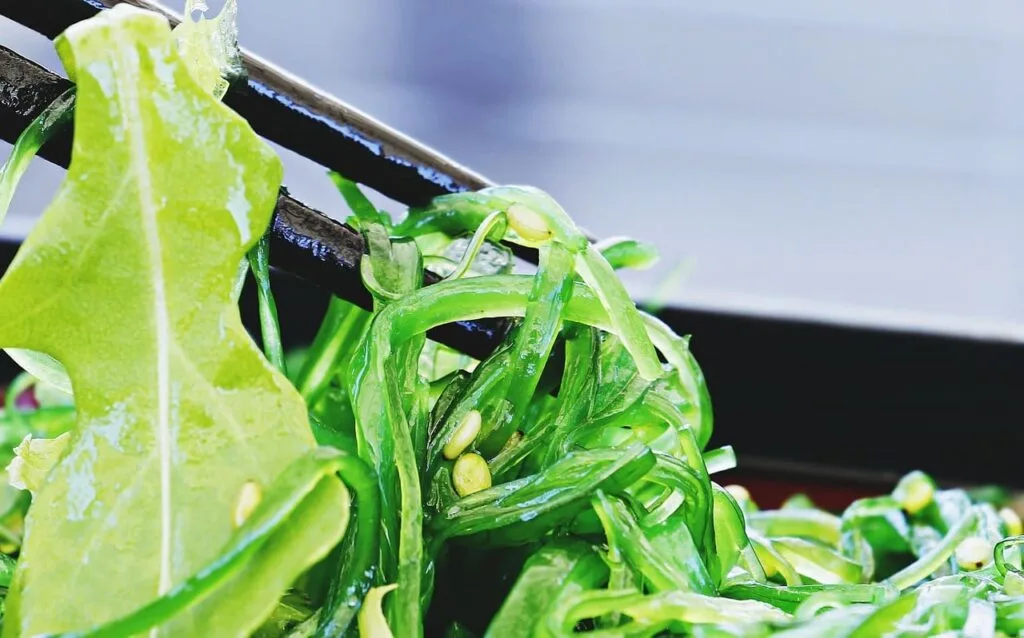
- Seaweed (dulse, wakame)
- Soybeans
- Lenses
- White beans
- Quinoa
In practice
If you’re not on a special diet, I recommend eating a little red meat, offal or iron-rich black pudding once or twice a week. This intake can be increased slightly (2-3 times a week) if you have heavy periods.
If you follow a vegetarian or vegan diet, I recommend that you regularly consume lentils, white beans or quinoa, which are a good source of iron. Legumes should be soaked well before cooking. Combine them with foods rich in vitamin C, which facilitates the body’s absorption of iron . For example, add raw peppers to a lentil salad, or a dash of lemon juice as a dressing.
You should also be aware that foods rich in phenolic compounds (particularly tea, coffee and chocolate), phytates (legumes and wholegrain products) and oxalates (cooked spinach, chard, beet, rhubarb, cocoa) should not be eaten in the same bowl as iron-rich foods or dietary supplements (they can be eaten in two different meals).
Coenzyme Q10 supports cellular energy production
What is coenzyme Q10 used for?
Coenzyme Q10 is a molecule naturally present in the human body, notably in the mitochondria, our cells’ little energy powerhouses.
It plays an essential role in energy production, which is crucial for the proper functioning of cells and organs, especially when you’re an athlete.
In addition to its role in energy production, CoQ10 is also a powerful antioxidant, protecting cells against oxidative damage caused by free radicals. This can have a beneficial effect on heart health, reducing inflammation and preventing premature aging.
Where to find them?
Coenzyme Q10 is mainly provided by animal products such as meat (beef, chicken) and fish.

In practice
So I advise you to vary your animal protein intake as much as possible throughout the week. Here’s an example of how to alternate:
- 1 or 2 times a week: white fish or shellfish
- 2 times a week small oily fish: sardines, mackerel
- 2 to 3 times a week of quality poultry: chicken, turkey, etc.
- 1 to 2 times a week red meat: beef, pork, mutton, lamb, offal
Conclusion
Bear in mind that achieving the recommended intake of vitamins and minerals doesn’t have to be done at every meal or every day. It can be achieved throughout the week by eating a balanced diet.
- At every meal, give pride of place to plants rich in vitamin C: raw peppers, strawberries, kiwi fruit, citrus fruit, etc.
- Eat wholegrain products every day: quinoa, brown rice, buckwheat, spelt, wholegrain bread, etc.
- Every day, add 1 to 2 handfuls of oilseeds to your diet: walnuts, hazelnuts, almonds, etc .
- Eat dark chocolate as a snack
- Eat legumes regularly (min. 2 to 3 times a week): lentils, dried peas, dried beans, broad beans, etc.
- Vary your animal protein intake and include a little red meat, offal, black pudding if you are prone to heavy periods or iron deficiency.
Between April and September: get 15 to 20 minutes’ exposure to the sun in the late morning or afternoon to synthesize vitamin D, and supplement in winter.