


Vegetarian/vegan sportswoman: how to eat enough protein?
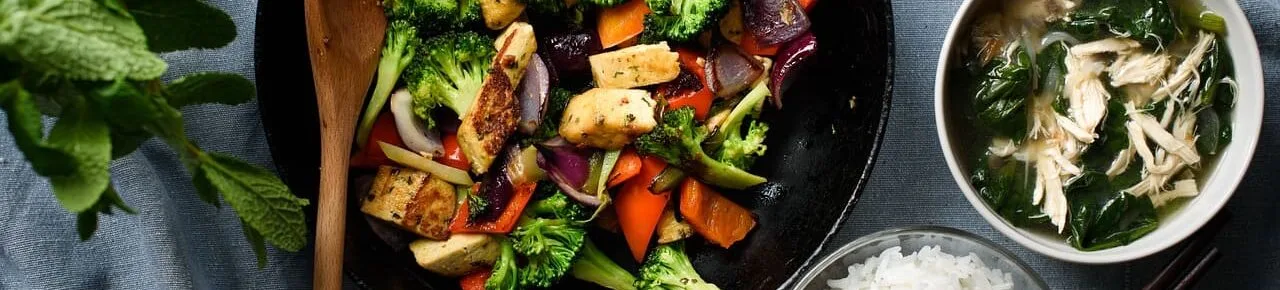
Being an athletic woman and eating a vegetarian or vegan diet can lead to a lot of questions about nutrition, and rightly so. In this article, I explain why protein is essential to your health and how to cover your protein needs with the help of concrete examples of menus.
Definitions
In my opinion, it’s essential to start with a few definitions so that you can better grasp the differences and understand the impact of each dietary model on your health and your sporting practice:
- The vegetarian diet is a dietary model that excludes the consumption of animals: meat, fish, shellfish, while allowing the consumption of products of plant origin, as well as sometimes other products of animal origin, such as eggs, dairy products and honey.
- The vegan diet goes further than conventional vegetarianism by excluding all animal products, including eggs, dairy products and honey, as well as all animal-derived products such as leather, wool and animal-based cosmetics. More than just a diet, it’s a way of life.
As you can see, these diets exclude much of the protein provided by the consumption of animal products.
Proteins: the building blocks of the house
Like fats and carbohydrates, proteins are part of what are known as macronutrients. They are made up of a chain of several amino acids (minimum 50), linked together. There are 21 different amino acids, 8 of which are said to be essential, meaning that the body cannot manufacture them and that they must be supplied by the diet, of which animal products are a very important source.
To ensure the permanent renewal of our tissues, our cells use these amino acids to create new proteins. A bit like a bricklayer repairing and extending his house, he uses new bricks to build the walls and replace damaged ones. So an adult weighing 70kg synthesizes and destroys 300g of protein out of 10kg of body protein every day: this is called protein turn-over. The portion of protein destroyed is eliminated in the urine in the form of urea or ammonia.

Proteins with multiple functions
When we think of sports and protein consumption, we often think of their role in building muscle and muscle mass. But the role of proteins goes far beyond this image of protein=muscle. Proteins are the main constituents of our tissues: bone, skin, tendon… via collagen.
Comment soutenir La Sportive Outdoor?
L'une des façons de nous soutenir est de faire vos achats via nos sites partenaires.
L'idée n'est évidemment pas de vous pousser à la consommation: n'achetez que ce dont vous avez besoin mais, lorsque vous le faites, passer par nos liens nous aide car nous touchons ainsi une petite commission sans aucun coût supplémentaire pour vous.
Vous pouvez par exemple en ajouter certains en favoris pour vos prochains achats. Pensez à accepter les cookies de nos partenaires dès l’arrivée sur leur site.
- i-Run: jusqu'à -50% pour les Running Weeks
- Ekosport: -20% extra sur les nouveautés rando et bivouac
- Intersport: des offres sur la randonnée (notamment)
- Muule: 15% de promo avec le code VIP15
- Decathlon: pas mal de bons plans
- Lyophilisé&Co: lyophilisés, nutrition sportive et matos de bivouac
Pour plus de façons de nous soutenir, c'est ici.
They are involved in the synthesis of hemoglobin, myoglobin, enzymes and numerous hormones. They play an essential role in immunity, since they are the main constituents of antibodies, and thus play an integral part in disease prevention.
They can even be used for energy purposes, especially during long-duration exercise (neoglucogenesis) and after a period of fasting. As you can see, sporting activity increases protein requirements , not only to ensure optimal repair of muscle fibres damaged during exercise, but also for energy production, thanks in particular to branched-chain amino acids (BCAAs). This energy pathway can account for between 3% and 10% of total energy expenditure.
As a result, sportswomen‘s protein requirements increase, from 1.2 to 1.8 g/kg depending on the situation, bearing in mind that the minimum requirement to ensure the body’s vital functions is 0.83g/kg. This represents between 72 and 108 g for a 60 kg sportswoman.
This need can be met by a vegetarian diet, provided that eggs and dairy products are consumed, or even supplemented with protein powder sources, particularly during recovery. For vegans, however, the situation is more complicated, since as they consume neither eggs nor dairy products, their needs must be met by protein-rich plant foods such as legumes, which have a lower protein quality than animal proteins.

Not all proteins are created equal
Not all proteins are created equal. Some are of better quality than others , and will be much better assimilated.
Animal proteins
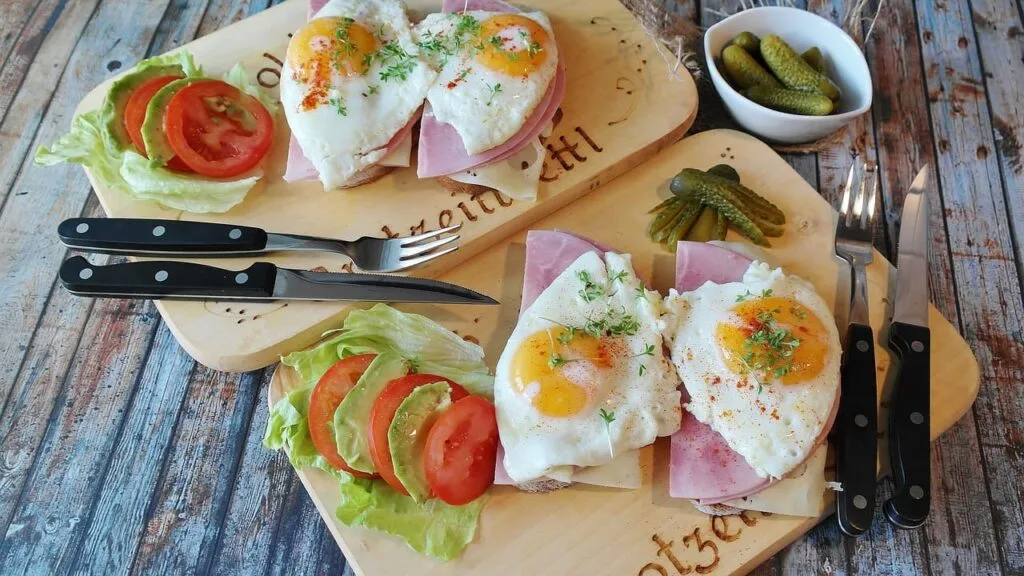
Let’s take animal proteins (meat, egg, fish): per 100g, they contain an average of 20g of protein, providing all the essential amino acids and therefore all the building blocks needed to build new walls (high biological value). Another important factor is that animal proteins have a very good digestive utilization coefficient, meaning that most of the food ingested will be digested and assimilated by the body.
Plant proteins
If we now consider plant proteins (legumes such as lentils and chickpeas, or certain cereal products such as quinoa), these contain an average of 20g of protein per 100g raw, but their amino acid profile is incomplete, meaning that certain bricks essential to the foundation of our house are missing, and the wall we’re building may be a little shaky.
Moreover, these plants are rich in fiber and therefore not easily digestible, so their digestive utilization coefficient will be disrupted, as will their biological value. Foods rich in plant proteins also contain what are known as anti-nutritional factors, such as antitrypsin, lectins and saponins, which reduce the assimilation of proteins, vitamins and minerals contained in the food.
In short, it’s clear that animal proteins are of better quality than plant proteins, and that they make it easier to cover protein needs. So the question naturally arises: how do vegetarians and vegans meet their protein requirements?

Solutions for vegetarian diets
I recommend that you continue to eat eggs and dairy products on a daily basis, to cover part of your needs.
Let’s take a concrete example: I’m a 60kg sportswoman, and my protein requirements average between 72 and 90g per day.
If I eat 2 eggs a day and 2 to 3 dairy products such as fromage frais or petits suisses, I provide 35 to 40g of protein, i.e. about half my requirement.
To make up the other half, it’s important to eat foods rich in plant proteins, such as legumes (lentils, split peas, chickpeas, dried beans), cereal products (quinoa, spelt, brown rice) or soy products.
To increase protein quality,cereal products and pulses should be combined in the same meal, or at least over 24 hours. This means you can eat lentils and rice in the same meal, or one product at lunch and the other at dinner. Legumes are rich in lysine, an essential amino acid missing from cereal products, while cereal products are rich in methionine and cysteine, amino acids missing from legumes. This complementarity optimizes the quality of plant protein.


Then you need to pay particular attention to how you prepare your plants:
- For legumes, I recommend soaking them for at least 12 hours to limit the presence of anti-nutritional factors, then cooking them in a large volume of water, starting cold. You can also add a teaspoon of bicarbonate to improve digestibility.
- For cereal products, I recommend rinsing well before cooking.
So if we go back to our calculations, eating a portion of rice + lentils for lunch provides an average of 15 to 20g of protein, and if we supplement with a plate of quinoa and a block of tofu for dinner, we provide a further 20g.
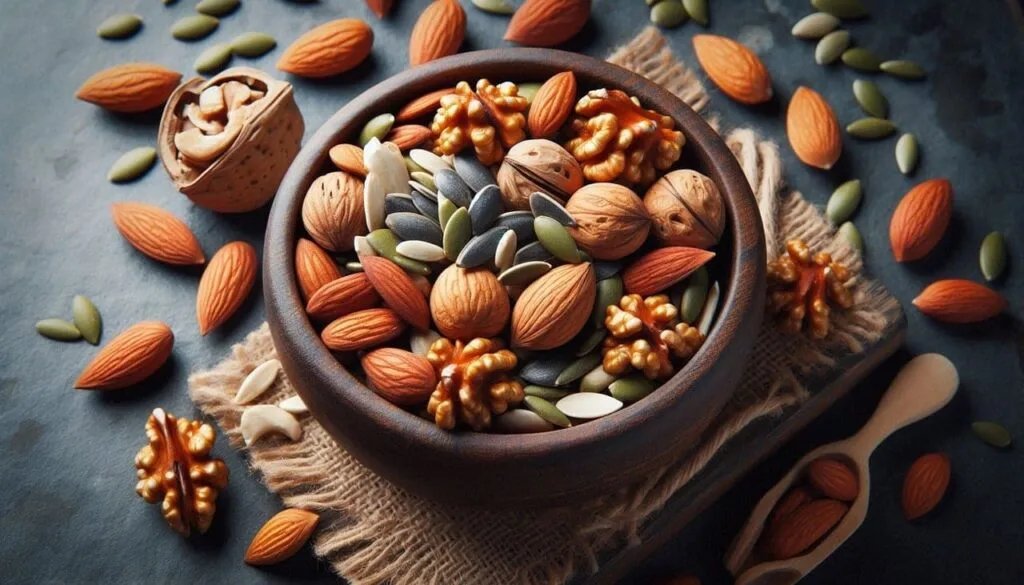
This makes a daily total of around 75g, which can be supplemented with one or two handfuls of oilseeds such as walnuts, hazelnuts or almonds, which provide an average of 5g of protein per handful.
Example of a typical day on a vegetarian diet
Breakfast (30g protein)
- 2 eggs (15g of protein) Note: cooking eggs softly preserves their protein quality.
- 1 cottage cheese (8g to 10g protein)
- 1 handful of oilseeds (5g protein)
- You can supplement this breakfast with fruit and complex carbohydrates such as bread, preferably sourdough bread, or oatmeal.
Breakfast (30g protein)
- a plate of brown rice + lentils, topped up with raw and/or cooked vegetables (15 to 20g of protein)
- 2 petits suisses (8g to 10g protein)
As a snack (5g protein)
- 1 handful of oilseeds
- You can add 1 seasonal fruit
At dinner (35g protein)
- 100g tofu (15g protein)
- a plate of quinoa (12g of protein for 150g cooked)
- 1 fromage blanc or 2 petits suisses
- a portion of raw and/or cooked vegetables
Solutions for vegan diets
On a vegan diet, eliminating eggs and dairy products reduces protein intake by 50% (40 to 45 g) (compared to the vegetarian diet suggested above). You’ll need to find other ways to supplement your needs.
This can be achieved by consuming protein powders such as hemp, pea or rice protein. In terms of quality, rice or pea protein have a more complete aminogram. However, given the presence of anti-nutritional factors in peas and arsenic in rice, I advise you to opt for hemp protein or, at the very least, to vary your protein powder sources.
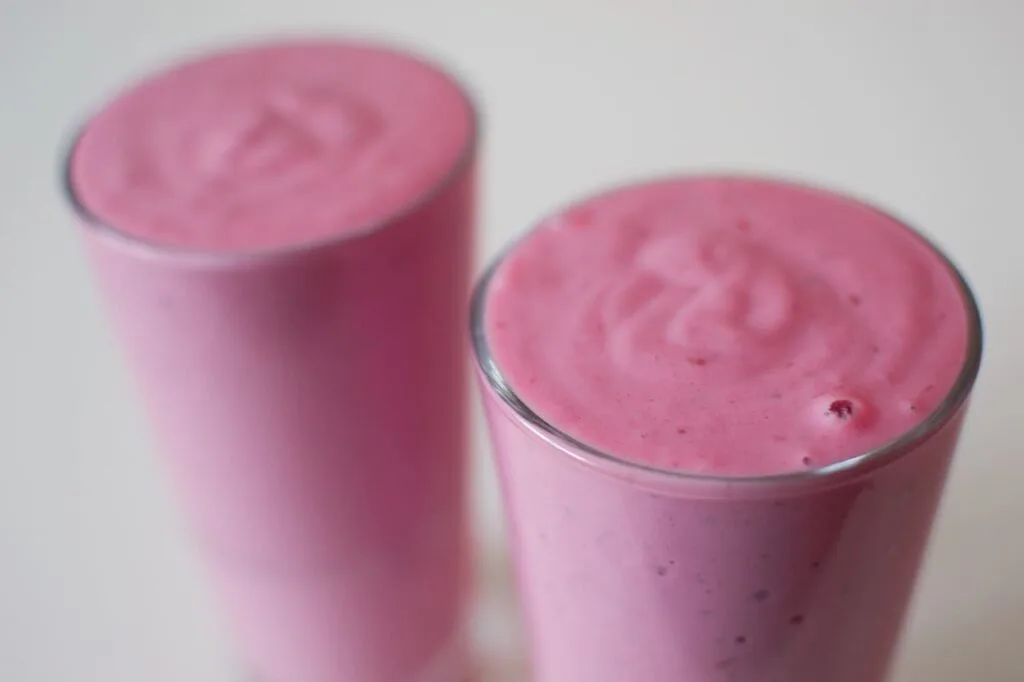
You can incorporate this supplement at breakfast or as an afternoon snack, or even after a recovery session. I often recommend adding this protein to a smoothie with a base of vegetable drink, 1 banana, some frozen red fruit, 1 teaspoon of honey and a portion of protein powder.
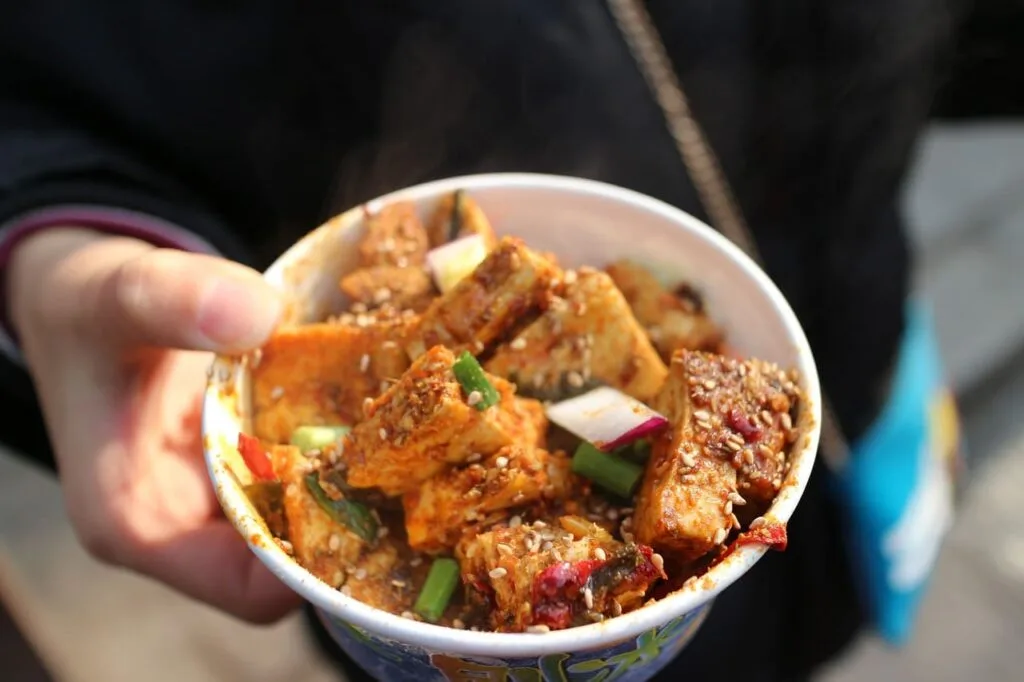
There are also so-called “veggie steaks” or “veggie sausages” which can provide between 10 and 15g of protein per 100g. However, some of these products are processed or even ultra-processed, so if you’re a fan of these products, I strongly advise you to look at the list of ingredients and choose the product with the shortest list to avoid additives and preservatives as much as possible. But also look at the salt and sugar content. And yes, our beloved manufacturers use many subterfuges to give taste and flavor to the products they sell. The Open Food Facts website can help you in your choice of brands.
Foods rich in vegetable proteins
| Food | Protein content per serving | Protein content per 100g |
| Tempeh | 17 | 17 |
| Tofu | 14 | 14 |
| Lenses | 12.5 (50g raw) | 25 |
| Black beans | 10.8 (50g raw) | 21.6 |
| Quinoa | 7 (50g raw) | 14 |
| Pumpkin seed | 9 (30g) | 30 |
| Oat flakes | 8.5 (50g) | 17 |
| Almonds | 6 (30g) | 21 |
Example of a typical day on a vegan diet
Breakfast (28.5g protein)
- 50 g rolled oats + 1 bowl of vegetable drink (soy, almond, oat…) (8.5g protein)
- 30g hemp protein powder (15g protein)
- 1 handful of oilseeds (5g protein)
- You can round off this breakfast with a piece of seasonal fruit.
Breakfast (20 to 25 g protein)
- 1 veggie steak + a plate of small spelt, which you can supplement with raw and/or cooked vegetables (15 to 20g of protein)
- 1 soy yogurt (5 g protein)
As a snack (16g protein)
- 1 protein smoothie: 200mL oat milk + ½ banana and a few frozen red berries + 20g vegetable protein (pea and rice mix)
- You can add 1 seasonal fruit
For dinner (27g protein)
- 1 vegetable coconut yogurt
- 100g tempeh (fermented tofu) (17g protein)
- a plate of azuki beans (10g of protein for 50g raw)
- a portion of raw and/or cooked vegetables
Conclusion
After reading this article, we can conclude that itis possible to cover your protein needs as a vegetarian or vegan. However, it is essential to make the right food choices, as well as to prepare and cook the right foods. The absence of eggs and dairy products in the vegan diet means that we need to find protein-rich alternatives such as protein powders.
I would, however, be particularly vigilant on the question of micronutritional intakes in these diets, particularly on the risks of deficiencies in iron, vitamin B12, zinc, calcium, iodine, vitamin D and EPA and DHA. But that will be the subject of a future article 😉
Bibliography
- West, Sam, et al. “Nutritional Considerations for the Vegan Athlete.” Advances in Nutrition, vol. 14, no. 4, Apr. 2023, pp. 774-95, https://doi.org/10.1016/j.advnut.2023.04.012.
- Rogerson, David. “Vegan Diets: Practical Advice for Athletes and Exercisers.” Journal of the International Society of Sports Nutrition, vol. 14, Sept. 2017, p. 36, https://doi.org/10.1186/s12970-017-0192-9.
- Venderley, Angela M., and Wayne W. Campbell. “Vegetarian Diets.” Sports Medicine, vol. 36, no. 4, Apr. 2006, pp. 293-305, https://doi.org/10.2165/00007256-200636040-00002.Mariotti, François, and Christopher D. Gardner. “Dietary Protein and Amino Acids in Vegetarian Diets-A Review.” Nutrients, vol. 11, no. 11, Nov. 2019, pp. 2661, https://doi.org/10.3390/nu11112661.