


Travelling by bike solo – My tips for getting started
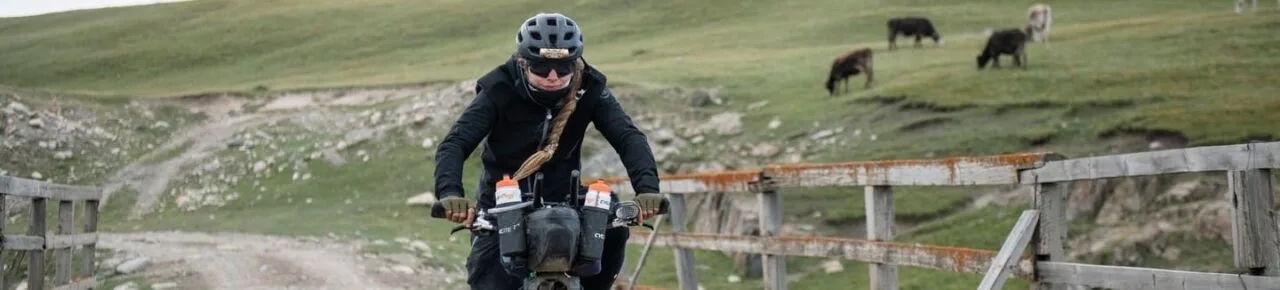
Although traveling alone by bike can be frightening at first, it's an extraordinary experience that can be full of surprises, provided you're well prepared. Here's my advice to help you get started!
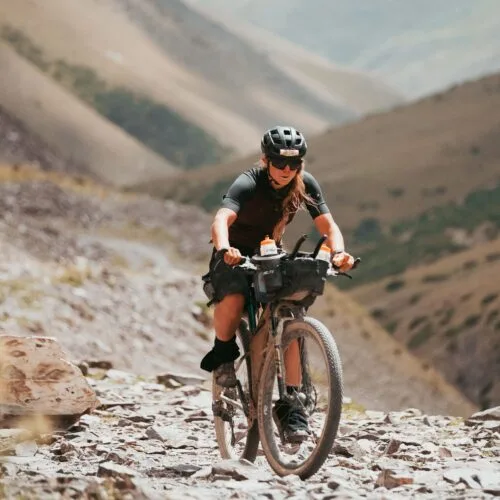
The fears of solo travel
Loneliness
One of the biggest obstacles to solo cycling is the fear of loneliness. Yet you never meet more people than when you’re traveling alone. All the more so on a bike, which is the object of local curiosity. Impressed by our physical fitness and daring, they often come to talk to us, inviting us to eat or sleep at their homes.
Apps such as Warmshowers and Couchsurfing facilitate these exchanges and make it easier to get in touch with locals. You can share slices of life with them.
Last but not least, other bike travelers you meet along the way are usually happy to share their experience with a similar one, and you’ll eventually share a stretch of road together.
The unknown
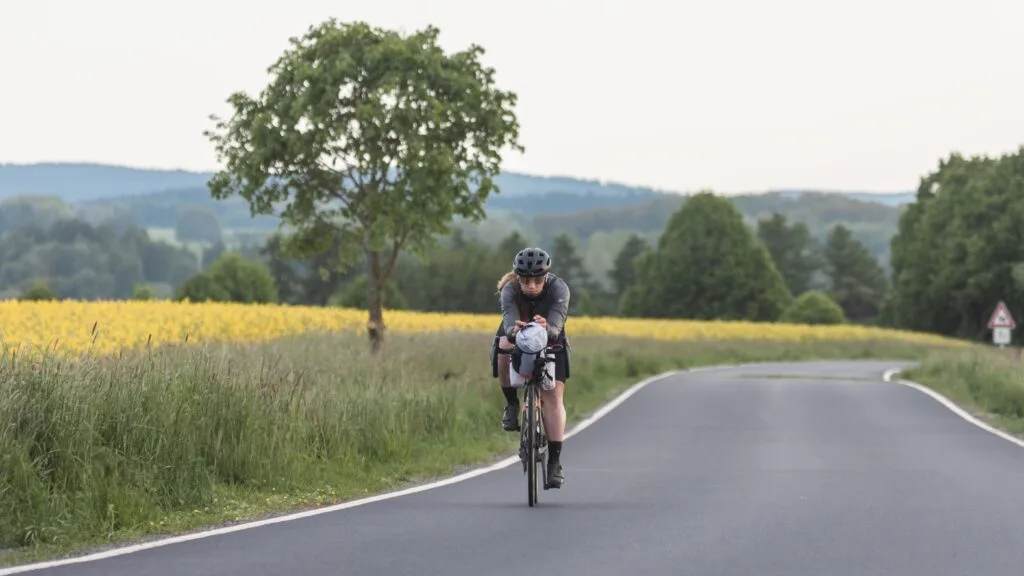
The unknown is frightening, but isn’t that why we set off in the first place? To discover new lands, new cultures, or to find out what we’re capable of?
To limit this apprehension and keep only the excitement, it can be useful to learn about the destination before you leave. Read the blogs of other bike travelers, watch YouTube videos of people who’ve done it before us, buy a guidebook. For more specific feedback, you can ask questions on forums or in groups of women traveling alone on Facebook, for example.
There are many resources available to help you get an idea of the country you want to visit . It all depends on how much surprise you want to retain!
Comment soutenir La Sportive Outdoor?
L'une des façons de nous soutenir est de faire vos achats via nos sites partenaires.
L'idée n'est évidemment pas de vous pousser à la consommation: n'achetez que ce dont vous avez besoin mais, lorsque vous le faites, passer par nos liens nous aide car nous touchons ainsi une petite commission sans aucun coût supplémentaire pour vous.
Vous pouvez par exemple en ajouter certains en favoris pour vos prochains achats. Pensez à accepter les cookies de nos partenaires dès l’arrivée sur leur site.
- i-Run: jusqu'à -50% pour les Running Weeks
- Ekosport: -20% extra sur les nouveautés rando et bivouac
- Intersport: des offres sur la randonnée (notamment)
- Muule: 15% de promo avec le code VIP15
- Decathlon: pas mal de bons plans
- Lyophilisé&Co: lyophilisés, nutrition sportive et matos de bivouac
Pour plus de façons de nous soutenir, c'est ici.
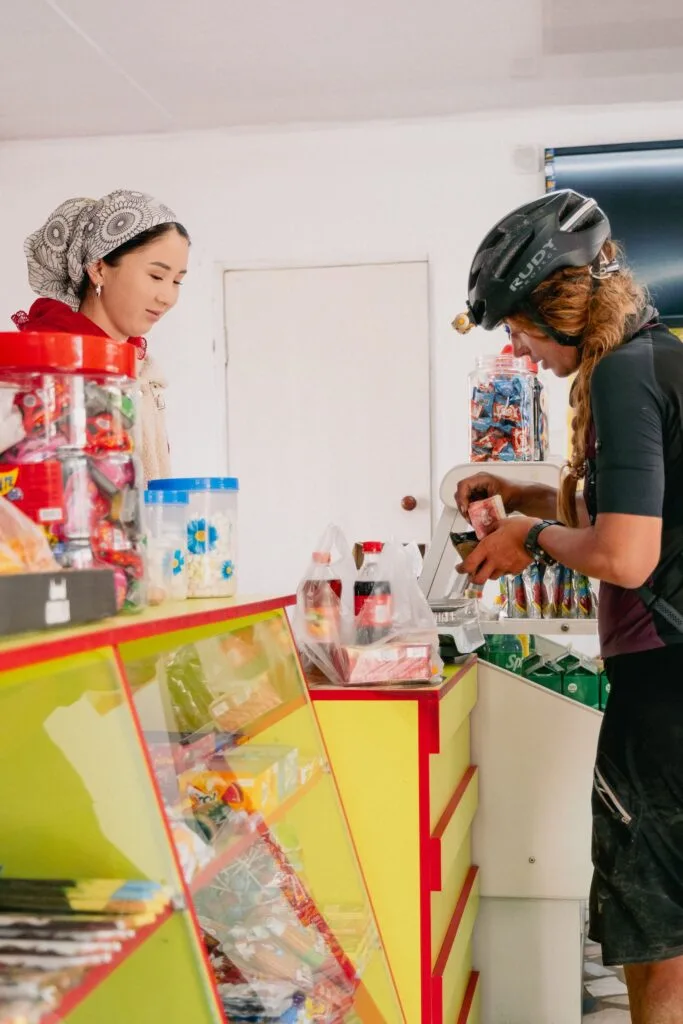
Insecurity
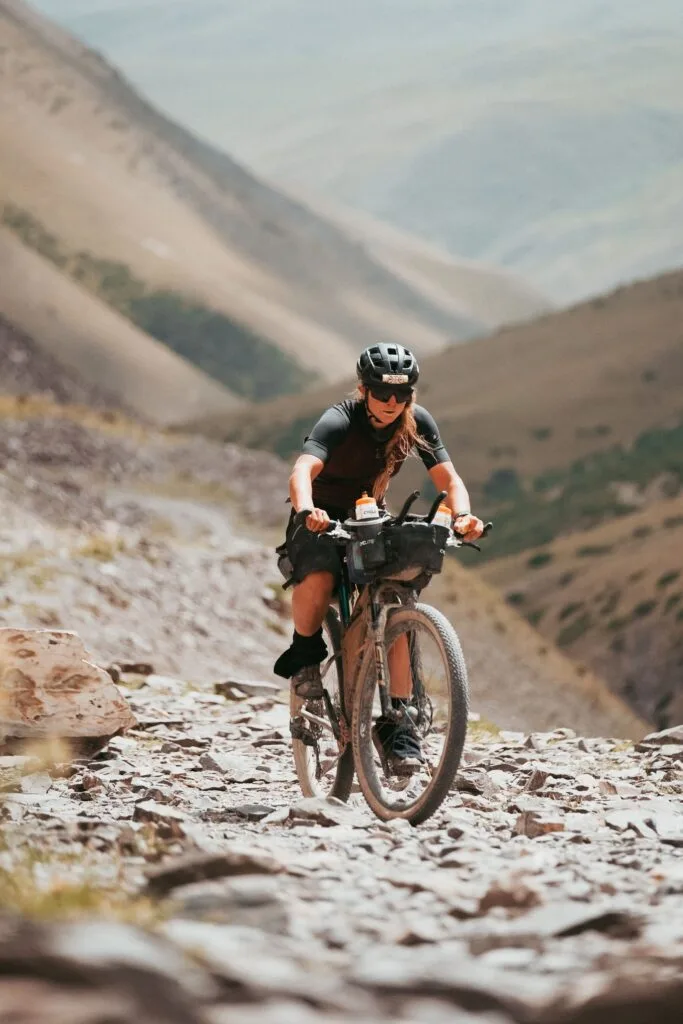
To feel safe, it’s a good idea to find out about places to avoid, behaviors to adopt and the country’s legislation before you leave. The France diplomatie website or embassy websites are good resources in this case, even if they can be a little scary as they only list the negative. And if you’re French, don’t forget to sign up on the fil d’Ariane website to receive alerts of important events in your destination.
For a first experience, you can stay close to home, in a familiar and reassuring environment, in contact with civilization. And to reassure your loved ones, you can communicate your itinerary and share your geolocation, as well as activate the fall detector on your GPS, which will automatically alert your chosen contacts if they have one.
If you opt for a bivouac but are afraid of sleeping in the wild, you can ask the locals to pitch your tent in their garden. Often, you’ll be invited to share a good meal and sometimes even to sleep inside. Otherwise, you’ll need to find a discreet spot out of sight, and pitch your tent at dusk.
When it comes to bike and equipment security, there are a number of lightweight locks and alarms available to prevent opportunistic theft. Personally, I avoid leaving my bike unattended in big cities and prefer to shop in villages. Valuables should be kept on your person rather than on the bike, and a copy of important documents on a cloud in case of loss or theft.
But even if mishaps do happen, don’t forget that most of the people you meet will be benevolent and willing to help you.
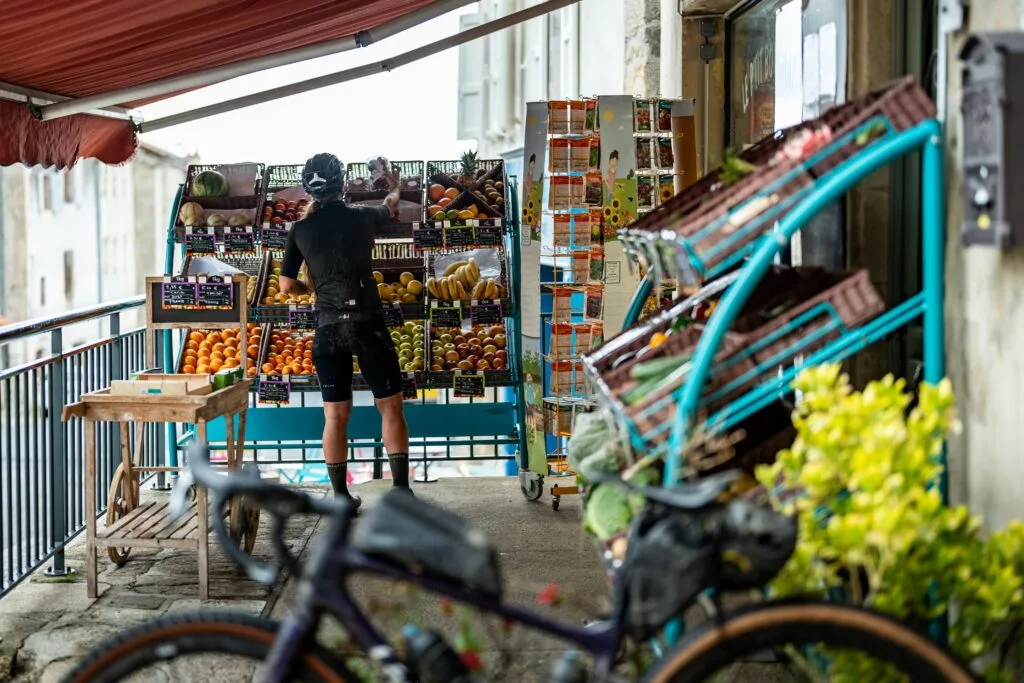
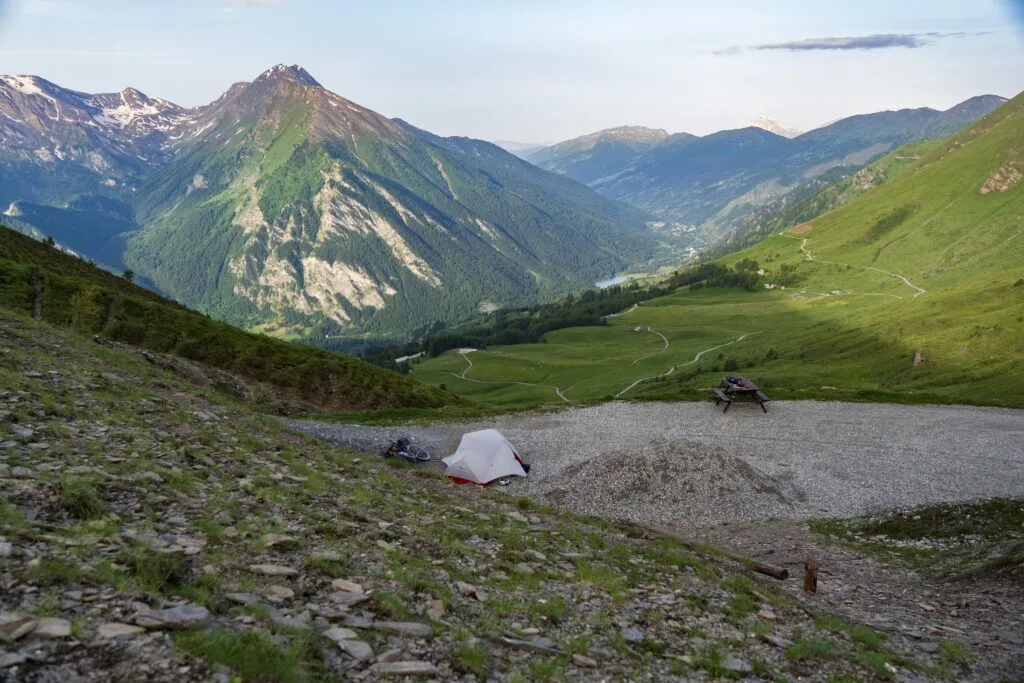
Why go it alone?
The freedom
One of the great advantages of solo travel for me is the freedom it offers. You can choose your itinerary, your pace, your stops and your visits.
While group travel can be enriching, it can also quickly turn into a nightmare if you don’t have the same desires and expectations as your companions. This can lead to frustration within the group, and everyone’s emotions can be difficult to manage.
Alone, there are no constraints, and this frees you from a heavy mental load. You can leave room for the unexpected, take detours, decide to stop for several hours in one place without risking slowing down the group or, on the contrary, rack up the kilometers at full speed!
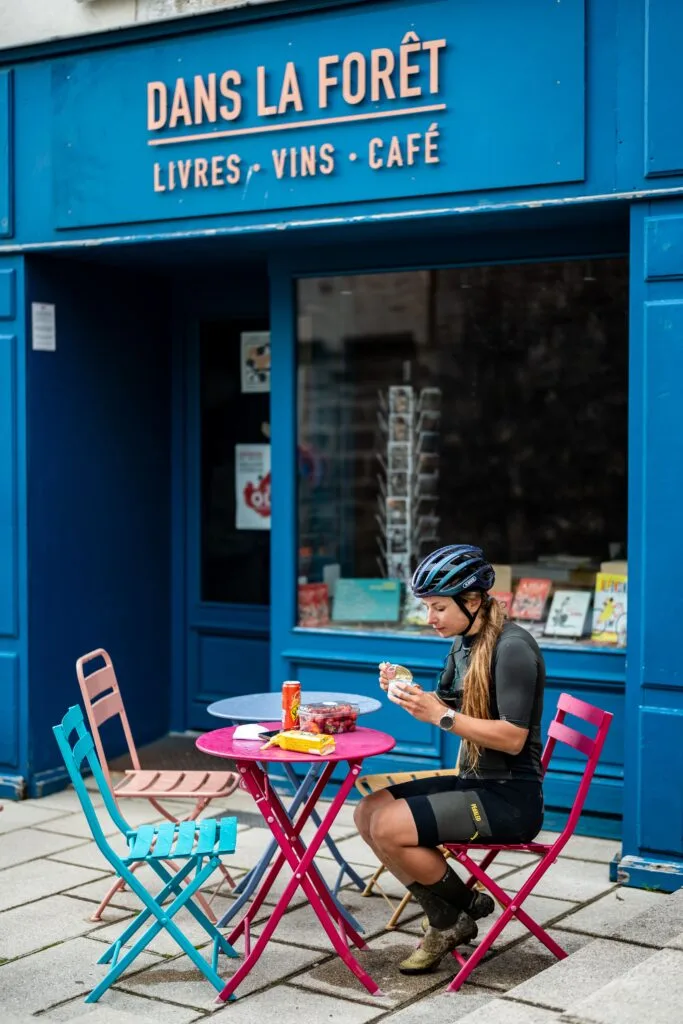
A rewarding experience
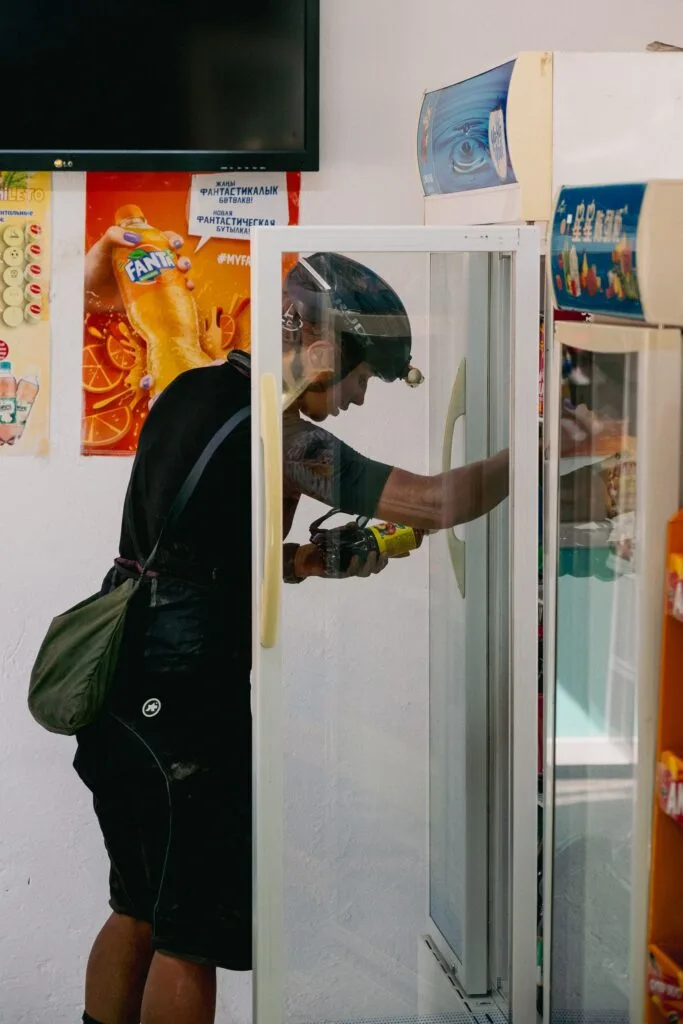
Paradoxically, you meet more people when you travel alone. We’re more open, more attentive to our environment and therefore more in touch with others and nature.
In a group, we tend to keep to ourselves. When you’re on your own, you’re more likely to ask other people for directions, where to find food or a place to sleep. Locals are also more inclined to talk to us, to invite us into their homes. This can lead to great conversations with the locals, who are always curious to know where you’re from and how far you’re riding.
Alone, you also take more time to look around and appreciate. You listen to nature, observe animals and marvel. There’s no pressure.
Self-knowledge
Going off on your own means making decisions on your own. This can be a confidence booster. You feel a great sense of accomplishment when you succeed in overcoming an obstacle on your own, and little by little your confidence grows. You expand your comfort zone and go off on crazier and crazier adventures.
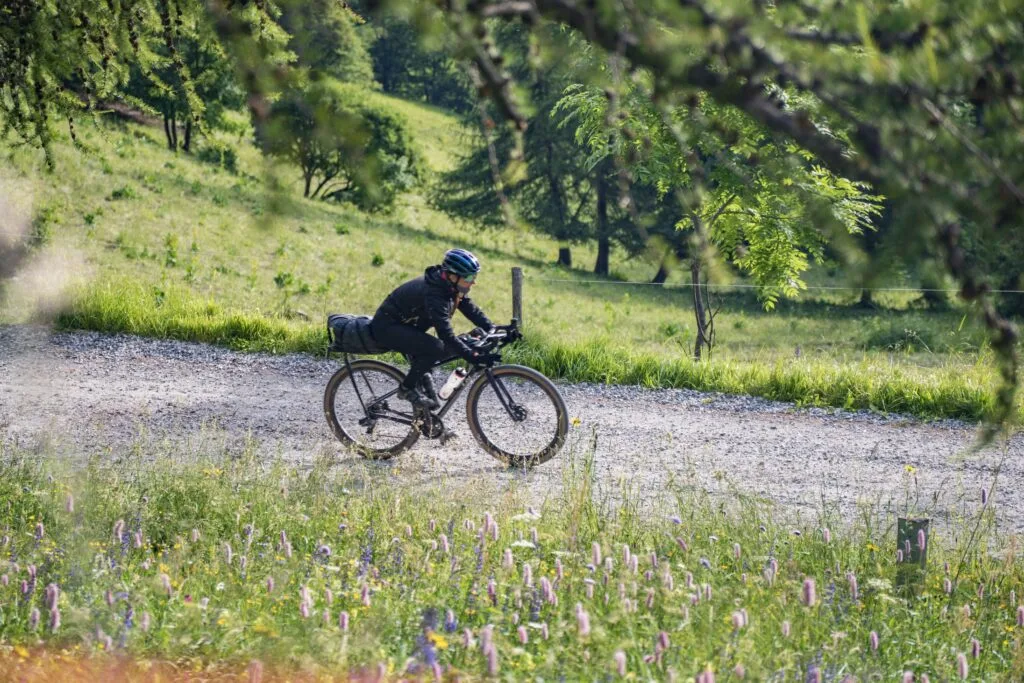
Alone, you also have a lot of time for introspection. I like to think of cycling as meditation in motion. You have time to think, question and discover. Sometimes, you also let yourself contemplate, being in the moment and letting the elements carry you along. By going back to basics, you get to know yourself.
Preparing your departure
Choose your route
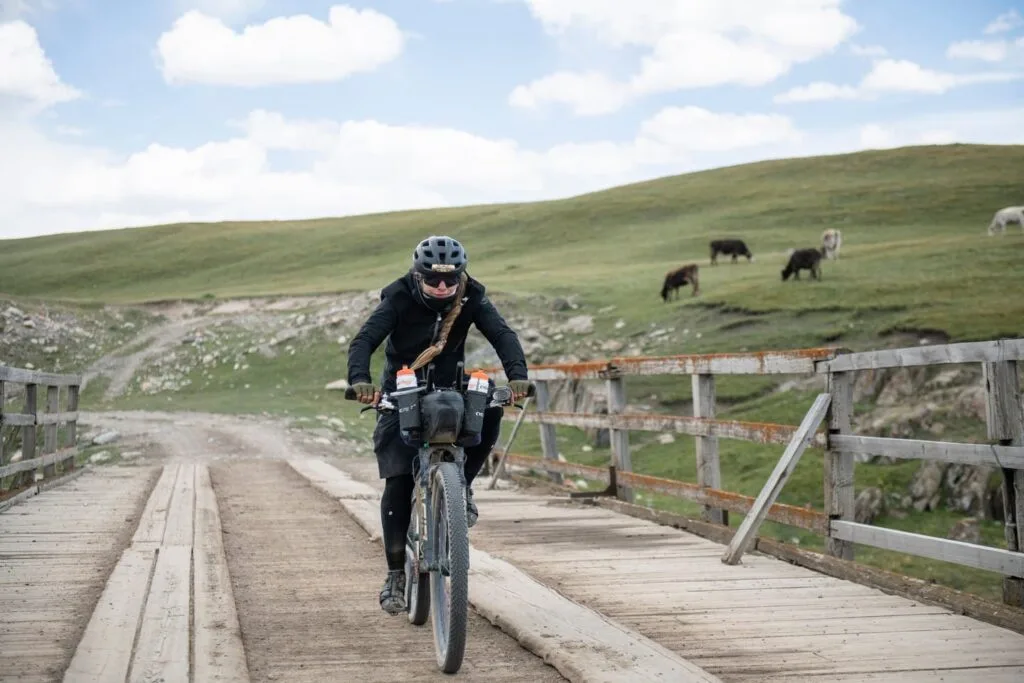
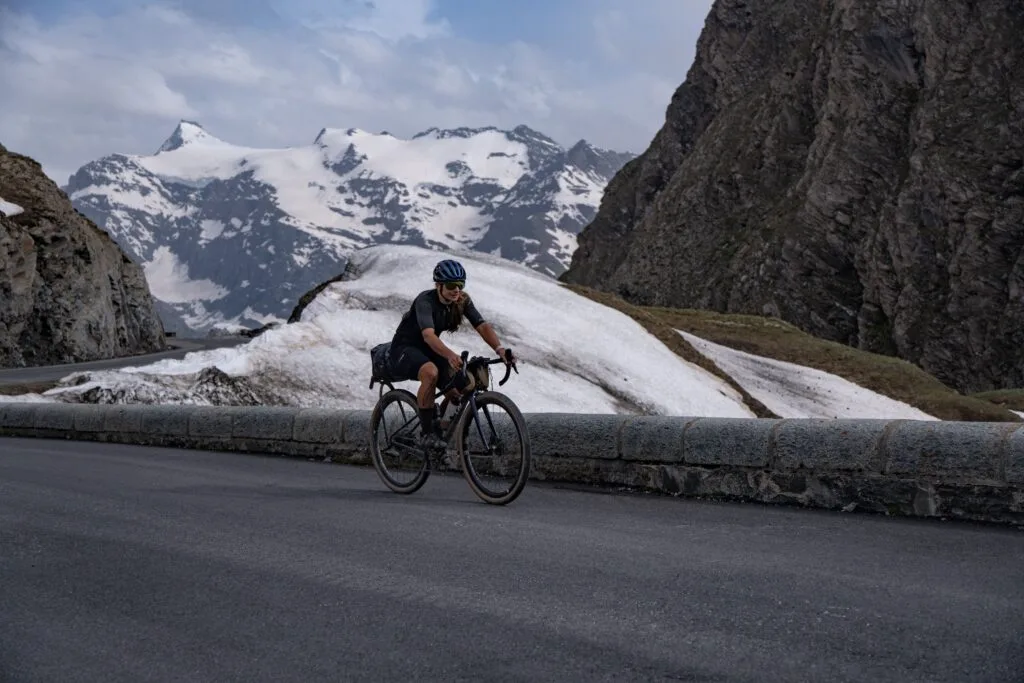
Before setting off, you need to choose a destination and plan your itinerary according to the number of kilometers and positive altitude difference you want to cover each day. You also need to take into account the type of terrain for the bike you’ll be using, and check that you’ll be able to stock up on food and water regularly. For a first experience, it’s best not to set off on a route that’s too isolated.
Blogs such as this one or bikepacking.com can help you pick up tracks or get inspired. You can also search for listed cycle routes such as EuroVélo in Europe, for example. This ensures a suitable route for cycle tourists, with the necessary services. You also know you won’t be alone, as many cycle travellers use these greenways.
But it can be exciting to chart your own course. It will require a little more research or flexibility in the field, but apps like Komoot make it possible. The site is community-based and you can even see recommendations from other users.
Selecting your equipment
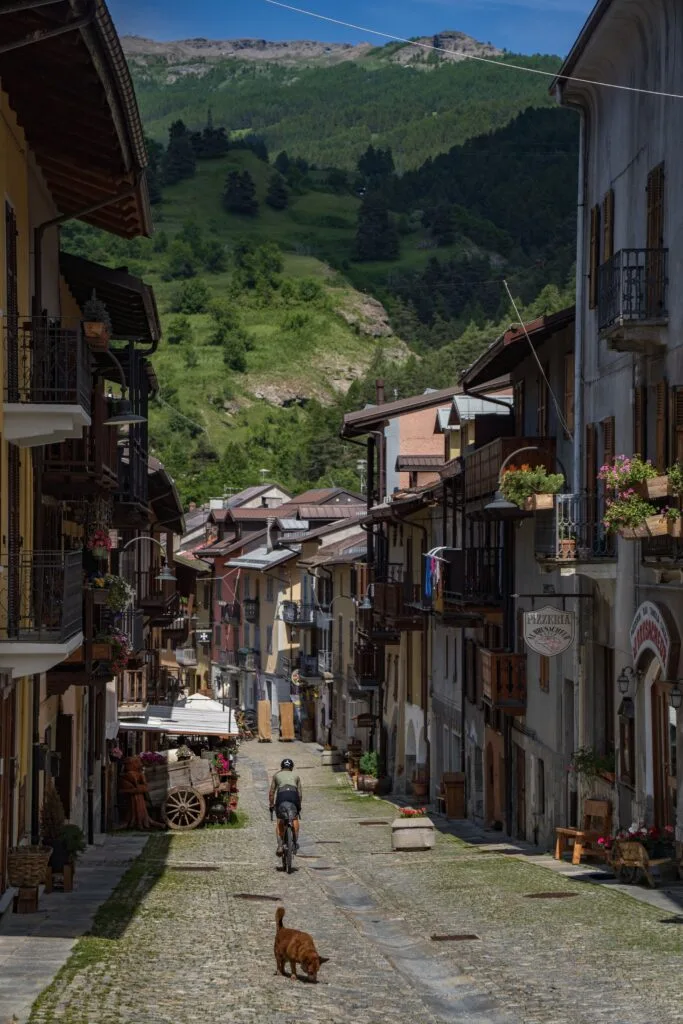
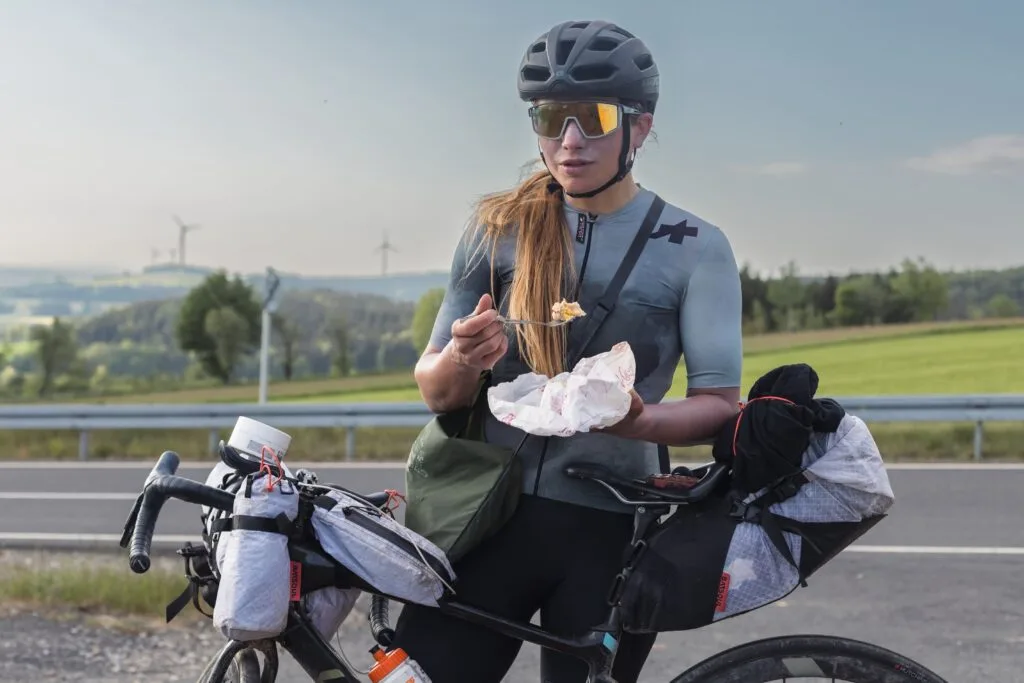
Before choosing your equipment, you need to think about how you want to travel. You won’t take the same gear if you want to travel very light, with the bare minimum to cover the maximum distance per day, or if you prefer slowness and comfort.
It also depends on your budget and the degree of autonomy you want. Will you be sleeping outdoors or in a hotel? Do you want to cook, or can you buy supplies regularly along the way? There are many questions to ask yourself before packing your bags. Once again, the Internet is full of resources on this subject.
For a first trip, I’d advise you to focus on what you already own. Perhaps you have a sleeping bag that you use on your hikes? Or a waterproof bag with straps you can use as a pannier? This won’t necessarily be the most optimized, but it will limit your expenses, and you can always invest in an ultra-light, compact tent when you’re more experienced.
Above all, you need equipment that you’re comfortablewith and that you’ve been able to test beforehand. There’s nothing worse than having to pitch a new tent after dark, in the rain and without instructions. Plan a 2-day micro-adventure before your big trip to test your equipment and make sure you haven’t forgotten anything.
And don’t forget to take a few repair items for the bike, mattress, tent, etc. It’s not always easy to find spare parts abroad.
Expand your knowledge
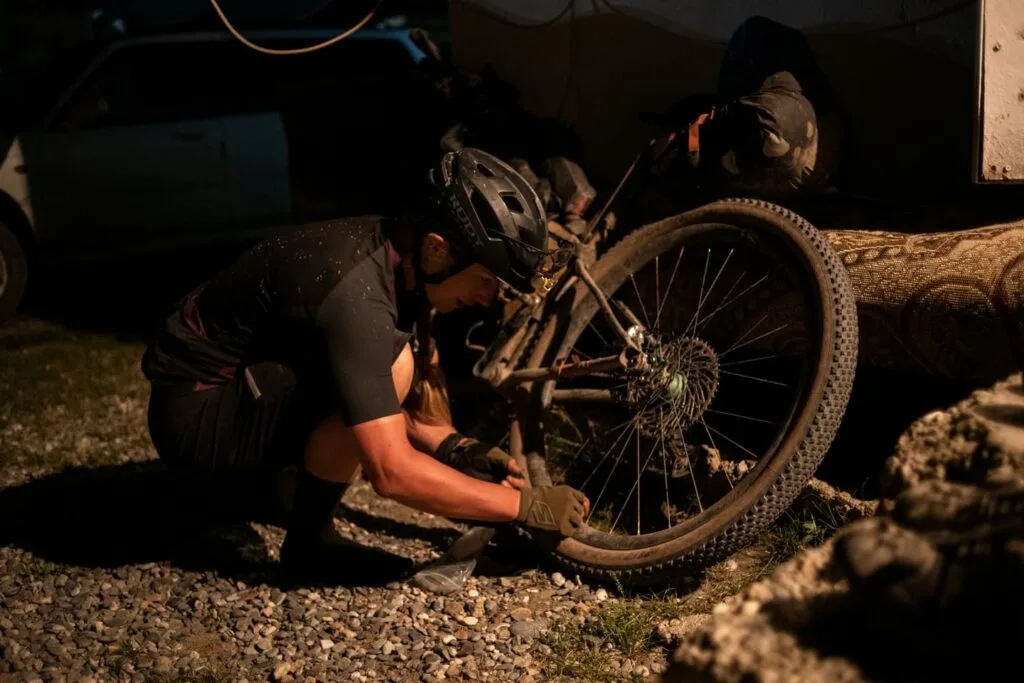
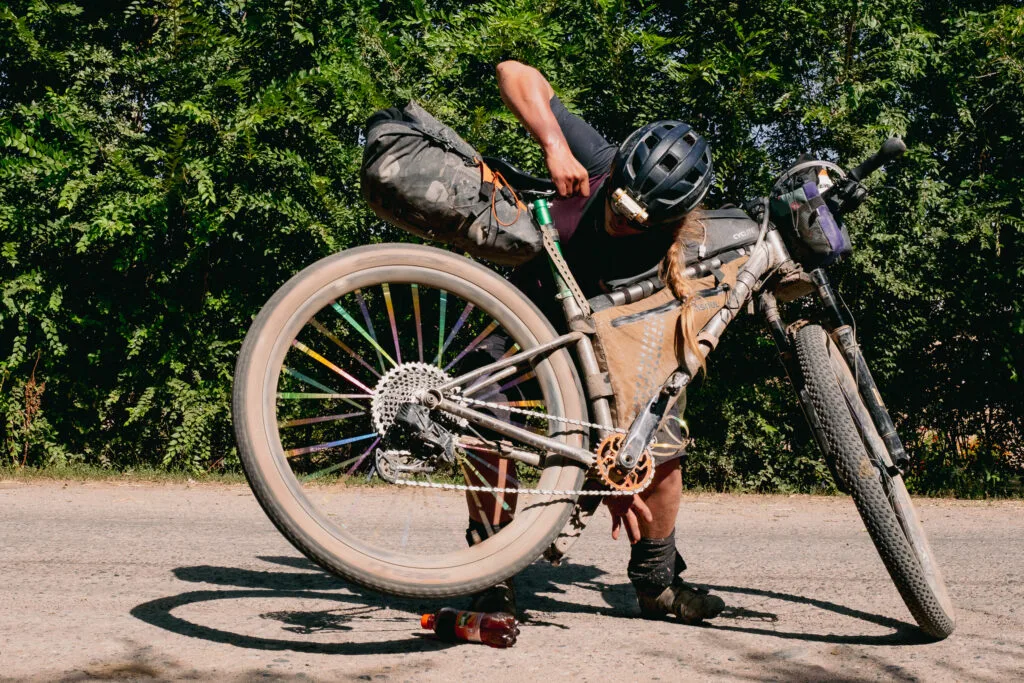
Before setting off, it’s a good idea to learn basic bike repairs. At the very least, you need to know how to change an inner tube and apply a patch. You can benefit from the experience of someone you know, or go to a participatory repair workshop. Or even watch a YouTube tutorial if you don’t have access to either. It’s not as complicated as it sounds, and it gets easier with experience.
You should also learn how to orient yourself, use your GPS and your equipment. A few test outings before the big jump can give you confidence in your skills. Work on your optimism and adaptability, which will be a great asset when the unexpected happens during your trip.
Study the climate, culture and geography of your destination, and learn a few words of the local language. Find out where you can sleep and eat, whether you can take your bike on the train and under what conditions… The more you know, the less lost you’ll feel.
Get started!
Solo cycling is both a geographical and a spiritual journey. It transforms you, allows you to discover yourself, and opens you up to others and to the world. So put your fears aside and embark on a 2-wheeled adventure that will leave you enriched!