


Ultracycling: when things don’t go as planned with Louisa Moreau
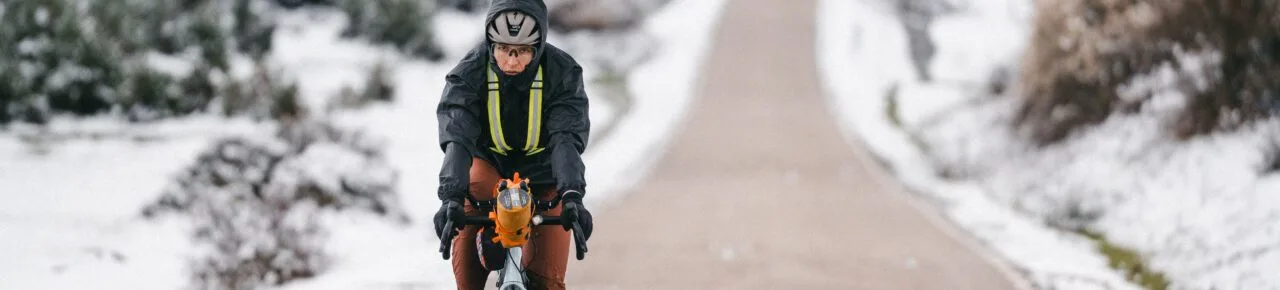
In this episode of the podcast, I spoke to Louisa Moreau about her first ultra bike race, which didn't go at all as she'd imagined...
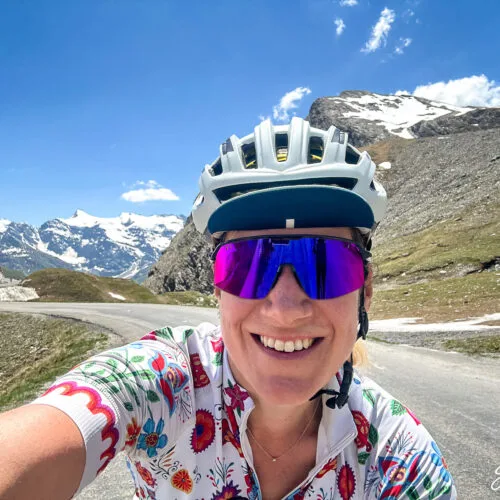
Watch the video interview
Listen to the podcast
Episode summary
Louisa Moreau’s first ultra-cycling experience was harder, more intense and more confusing than she had imagined. In this episode, she looks back on those six days on the bike, the pain, the moments of mental breakdown, the fall, and then that strange inner silence that followed the finish. An honest account of the hidden side of ultra racing that some people may encounter.
A sportswoman from the mountains
Louisa grew up in Chamonix. Skiing and trail running played a big part in her childhood. She discovered cycling much later, in Quebec, where she practiced
Ultra: an event that shakes things up
By day 2, Louisa was experiencing severe knee pain, despite the fact that cycling had been an essential tool in her rehabilitation following a cruciate ligament rupture and a patella fracture. She called her physiotherapist, who identified the problem. With a few position adjustments, the pain subsided, but fatigue set in.
She also recounts the unexpected moment when, without warning, her emotions came flooding back: “I spent an hour crying my eyes out on my bike. A sudden release that gives her a bit of energy before the mind heads off in other, darker directions.
What follows is complicated by a fall: bruises, wounds, permanent discomfort. Every hour adds a new difficulty, and you have to deal with everything.
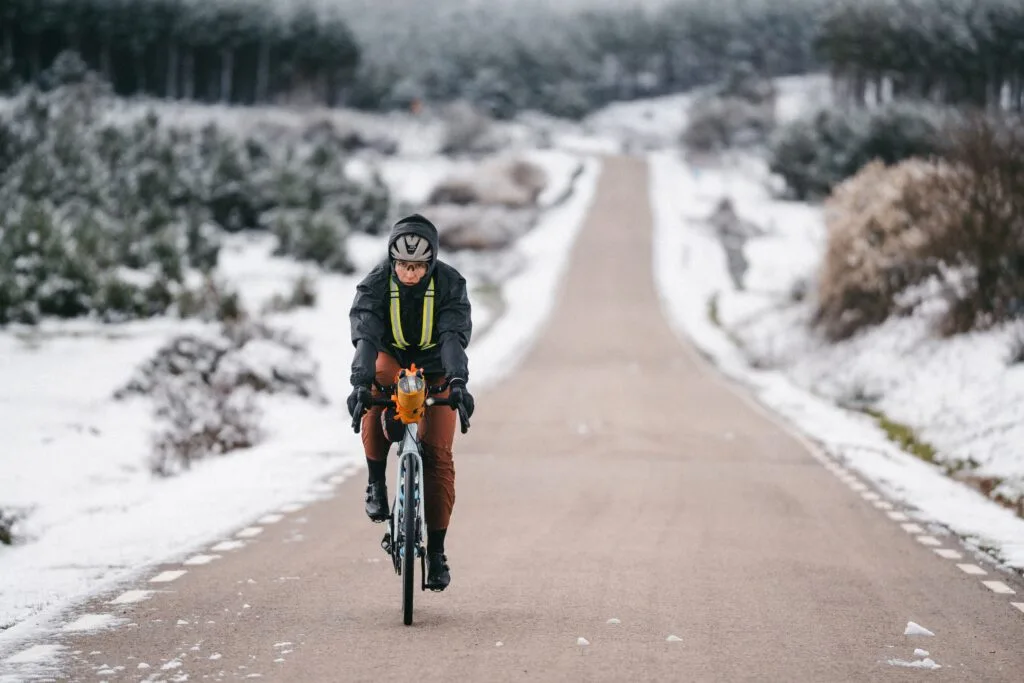
An arrival in a vacuum
As he crossed the line, there was no euphoria, no pride: “Frankly, it’s really sad to say, but nothing at all.
Comment soutenir La Sportive Outdoor?
L'une des façons de nous soutenir est de faire vos achats via nos sites partenaires.
L'idée n'est évidemment pas de vous pousser à la consommation: n'achetez que ce dont vous avez besoin mais, lorsque vous le faites, passer par nos liens nous aide car nous touchons ainsi une petite commission sans aucun coût supplémentaire pour vous.
Vous pouvez par exemple en ajouter certains en favoris pour vos prochains achats. Pensez à accepter les cookies de nos partenaires dès l’arrivée sur leur site.
- i-Run: jusqu'à -50% pour les Running Weeks
- Ekosport: -20% extra sur les nouveautés rando et bivouac
- Intersport: des offres sur la randonnée (notamment)
- Muule: 15% de promo avec le code VIP15
- Decathlon: pas mal de bons plans
- Lyophilisé&Co: lyophilisés, nutrition sportive et matos de bivouac
Pour plus de façons de nous soutenir, c'est ici.
In the days that followed, she experienced a kind of lethargy. She recounts having almost no clear memory of certain moments, as if her brain had put everything on pause. For a month, she didn’t touch her bike, and even she found herself afraid of getting back on it.
She later realized that this phenomenon is common after an ultra: a mixture of exhaustion, emotional saturation and confusion.
“You don’t lose your cycling badge”.
Sharing her feelings in an Instagram post, Louisa writes a phrase that will speak to many:“You don’t lose your cycling badge if, for a while, you don’t feel like pedaling anymore.”
She receives dozens of messages. Many people confess to feeling guilty about not riding anymore, not wanting to, or feeling as if they “weren’t cyclists anymore”. This massive response shows her just how deep-rooted this idea is: people think they have to earn their place in cycling.
Yet she insists on the essential: you can love cycling while taking breaks, changing disciplines, testing things without loving them, as was her case with ultra cycling. “There are as many ways to be a cyclist as there are people who love cycling.”
Links
- Instagram: https://www.instagram.com/louisalalilala/