


The year women redefine ultracycling
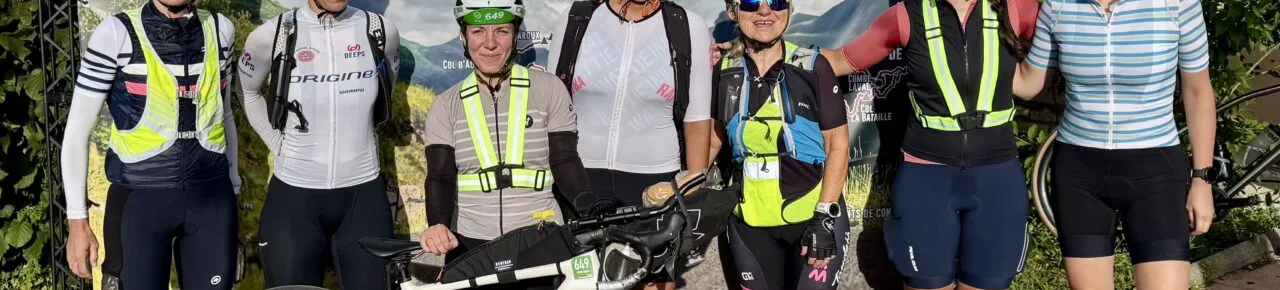
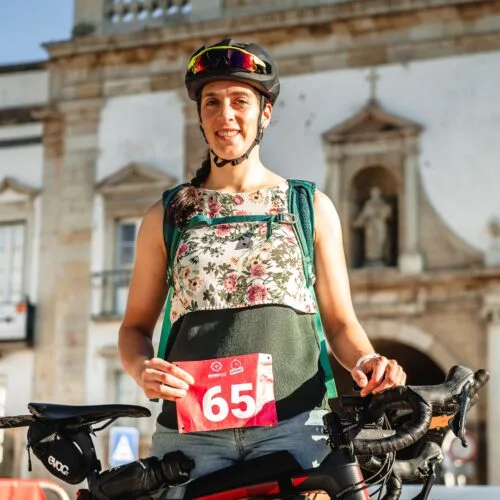
Long perceived as a male bastion, ultracycling is now undergoing a quiet but determined transformation. In recent years, various organizations have launched initiatives to increase female participation in their events.
Summary
- A firm statement: women take their place
- From words to deeds: initiatives that make a difference
- What stakeholders have to say: safety and belonging
- Access and inclusive formats: opening the door differently
- More than numbers: a change in culture
- There's still a long way to go, but the direction is clear
- A symbolic turning point
Initially timid, these actions have grown in scope, and the year 2025 has confirmed this shift with frank and assertive gestures. From the inside, we sense a real desire for change.
It remains to be seen to what extent these efforts have produced lasting results. For this article, I interviewed a number of organizations who generously agreed to share their approaches, their thoughts and the spin-offs observed in the field.
A firm statement: women take their place
From the Transcontinental Race (TCR) to the Race Across Series (RAS), via the BikingMan (BM) and the Desertus Bikus (DB), all organizers are making the same observation: more and more women are embarking on the adventure of endurance racing, and above all, they are doing so with legitimacy.
This idea of legitimacy lies at the heart of change. While the intention behind these actions is broadly the same – a desire for fairness and the correction of certain historical imbalances – the ways in which this is achieved vary according to the specific philosophy of each event.
From words to deeds: initiatives that make a difference
In concrete terms, most of the organization members questioned had created (officially or unofficially) ambassador programs and shared testimonials from women about their experiences. Social networks have acted as a sounding board, contributing significantly to this new visibility.
In the field, DB has set up preparatory group outings led by finisheuses all over France.
Comment soutenir La Sportive Outdoor?
L'une des façons de nous soutenir est de faire vos achats via nos sites partenaires.
L'idée n'est évidemment pas de vous pousser à la consommation: n'achetez que ce dont vous avez besoin mais, lorsque vous le faites, passer par nos liens nous aide car nous touchons ainsi une petite commission sans aucun coût supplémentaire pour vous.
Vous pouvez par exemple en ajouter certains en favoris pour vos prochains achats. Pensez à accepter les cookies de nos partenaires dès l’arrivée sur leur site.
- i-Run: jusqu'à -50% pour les Running Weeks
- Ekosport: -20% extra sur les nouveautés rando et bivouac
- Intersport: des offres sur la randonnée (notamment)
- Muule: 15% de promo avec le code VIP15
- Decathlon: pas mal de bons plans
- Lyophilisé&Co: lyophilisés, nutrition sportive et matos de bivouac
Pour plus de façons de nous soutenir, c'est ici.
TCR, for its part, hit the nail on the head with its #100TCRWomen initiative, which doubled the number of participants and created a genuine support network between women and people from LGBTQ+ minorities. A real masterstroke, as a lively community was organized on WhatsApp channels launched by the organization.
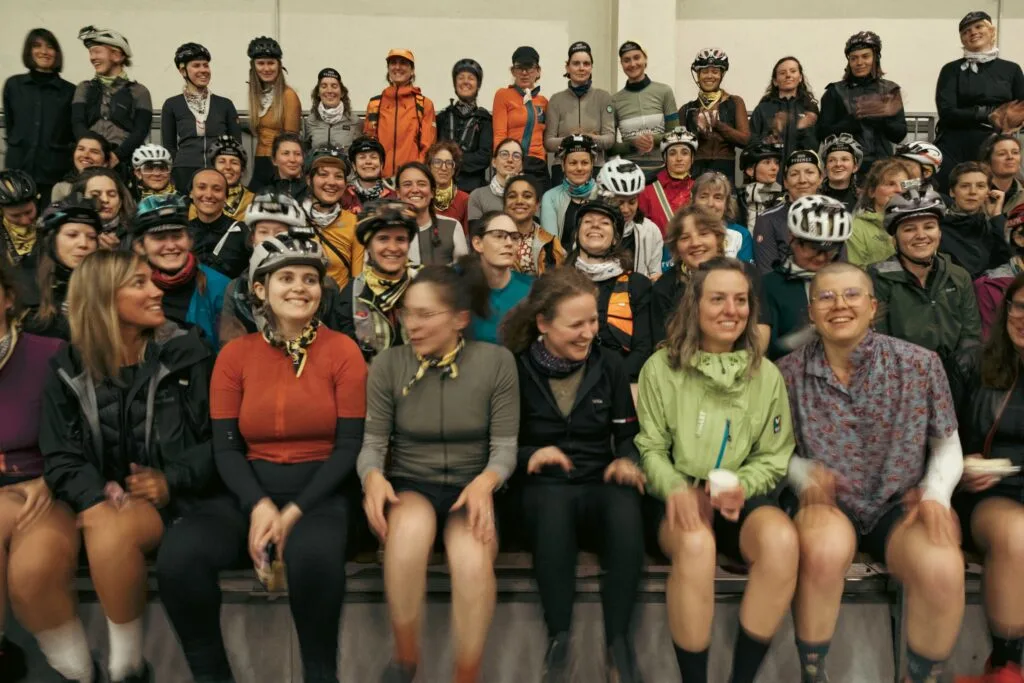
There has been a tangible change in tone: women are now addressed with inclusive communication, and the discussion goes even further – no longer about them, but with them. The observed results are obvious, sometimes slow to manifest themselves in certain cases, but we are indeed witnessing an increased and deeper involvement of women and other minorities in long-distance cycling events.
In the case of TCR, ” the results were spectacular, and the campaign convinced a large number of participants to sign up “.
Finally, in multi-distance events, increases were observed regardless of the number of kilometers to be covered, with sometimes a more marked progression in the shorter distances, often perceived as gateways to the even longer ultra.
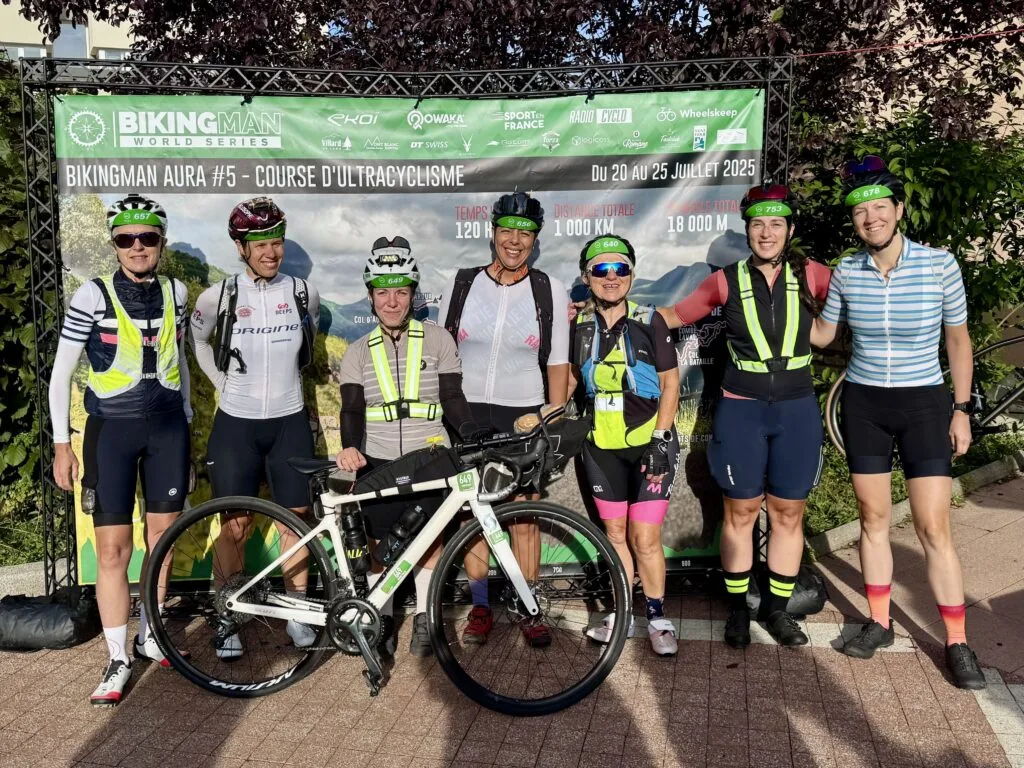
As for women’s participation in the DB, there’s been a clear increase: from 20 to 155 participants in five editions, representing 45% of registrations this year. Wow!
Finally, comparing male/female ratios from one organization to another doesn’t mean much, as there are so many factors involved. Let’s compare apples with apples.
For example, an organization that offers a single long-distance format (over 1000 km) vs. one that offers 200, 300, 500, 1000 and 2500 km events will not necessarily have the same overall percentage of female participation. The same applies to organizations that invite women to participate in their events free of charge vs. those that do not.
But beyond percentages and growth curves, what do these changes mean in concrete terms for the women who ride their bikes?
What stakeholders have to say: safety and belonging
When we asked organizations to describe the feedback they had received from key stakeholders, they were unanimous: the comments were positive across the board, and the growing sense of security they described was unmistakable.
Particularly in terms of the support and reassurance created through balanced visual communications, webinars and thriving WhatsApp support communities. Satisfaction is widespread, and the desire for more female visibility is clear.
Organizations recognize that the obstacles to female participation are often psychological, but sometimes also logistical, and that it is sometimes adjustments, however discreet, that create the difference between “daring” and “not daring” to embark on the adventure.
For example, RAS added separate showers and improved logistics at its living bases, after listening carefully to the participants.
The BM has created a series of educational video vignettes on Web TV BikingMan, alongside a coach specializing in ultradistance to train future ultracyclists who will join the adventure.
Above all, TCR has focused on psychological safety – a climate of respect and support that allows everyone to feel at home, even when working solo.
The Club Vélo Randonneurs du Québec (CVRQ), an organization that offers brevets randonneurs mondiaux (BRM) with the aim of qualifying for the legendary Paris-Brest-Paris race, offers a reassuring setting where support and mutual aid surpass competition, true to its “long-distance touring” spirit.
Access and inclusive formats: opening the door differently
Inclusivity is often mentioned as a way of opening the door in a different way, but it also involves the format of the tests offered.
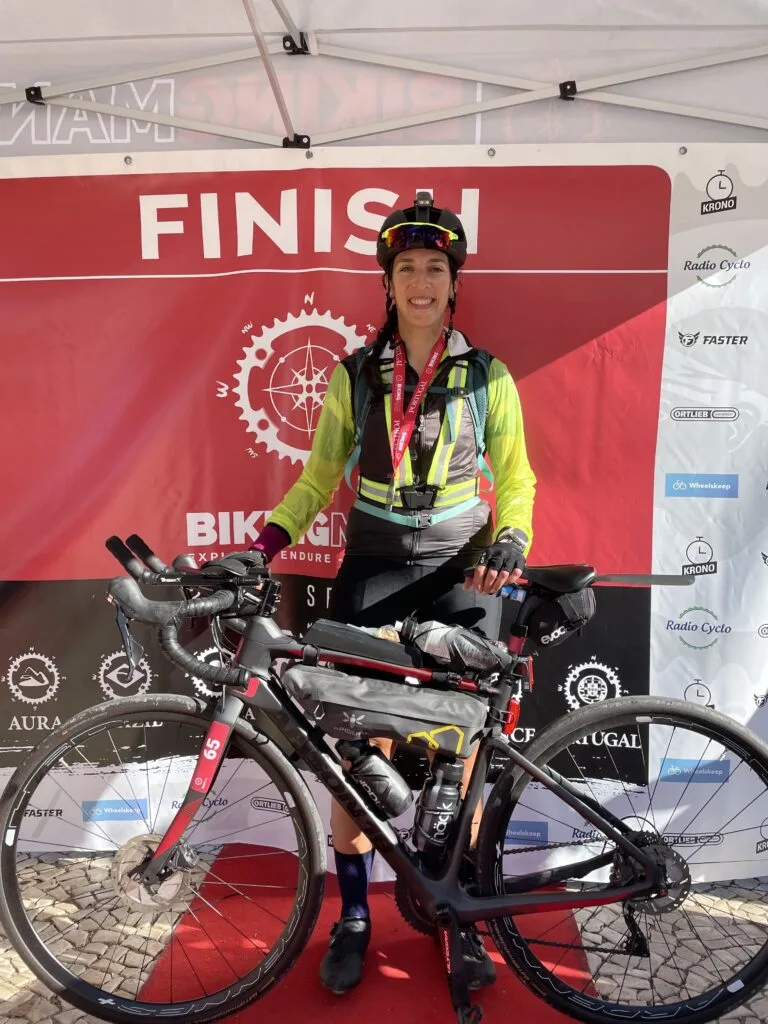
RAS, TCR and BikingMan have innovated with duo, trio and quartet formulas, breaking the psychological barrier of first-time participation with the support of a team.
CVRQ promotes women’s group rides and non-competitive rides, while TCR is pushing the envelope even further by launching the Lost Dot 101 in 2026, a race exclusively for women and gender minorities, in an accessible and supportive endurance format.
And what about the trail?
This trend not only applies to two wheels, but also to two feet.
The Ultra-Trail du Vercors (UTV) in the French Alps, for example, is a good example of this movement, with initiatives to make women’s participation more visible, more supported and, above all, perfectly legitimate.
Reserved places for women at registration, sanitary protection and toilets at every ravito are just some of the concrete actions implemented in 2025. In terms of communications, we’ve also taken care to ensure that media representation is mixed, while
hammering home the desire to welcome more women, and we’ve imposed quotas.
The results of these initiatives were very telling: between 2023 and 2025, we went from 10% to 21% on the 81 km route, and from 20% to 32% on the 48 km route.
More than numbers: a change in culture
Beyond the statistics, we are witnessing a cultural shift. Gone are the days when “welcoming women” was enough.
Organizations now want to make room for a true plurality of values: listening, mutual aid, benevolence, respect for differences. For many, the goal is nothing less than gender parity.
BM and DB speak of “ human adventure above all “, while RAS emphasizes benevolence and collaboration between genders. The CVRQ stands out for its conviviality and lack of a performance mindset.
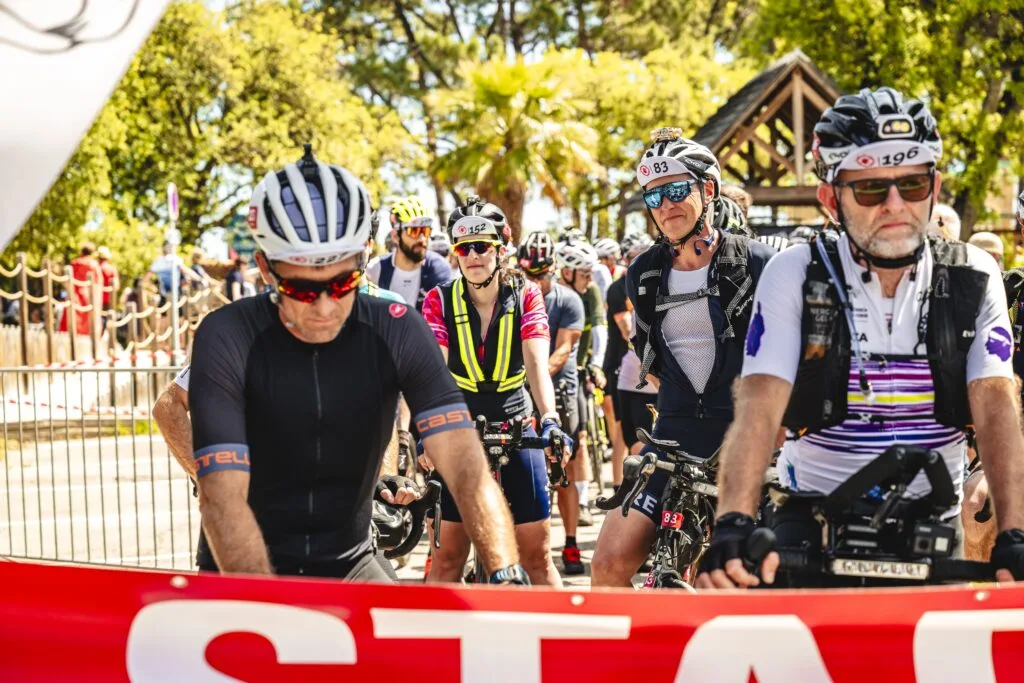
TCR, true to its community DNA, campaigns for even broader inclusion, going beyond gender and embracing all forms of diversity. At DB, the observation is unequivocal: ” this mix contributes to creating a more open atmosphere where everyone feels they belong, whatever their level or profile”.
There’s still a long way to go, but the direction is clear
In any case, the important thing to remember is that progress has been made, but all recognize that the work is far from over. The next steps will involve even greater visibility, but also education and female mentors to support newcomers.
Several organizations are planning panels, more collaborations and mentoring programs (RAS, BM). CVRQ wants to strengthen mentoring by offering more women-only outings, while DB wants to continue “decomplexing” and democratizing ultracycling. Finally, TCR is pursuing its global commitment to diversity, trust and community.
Everywhere, the intention is clear: to make women’s presence sustainable, normal, not exceptional.
A symbolic turning point
Without question, then, the year 2025 marks a symbolic turning point : women and minorities are no longer simply coming to “try ultra”, they’re coming to take their rightful place.
Organizations, for their part, are learning to listen, to adjust and to recognize that inclusion is not just a matter of isolated gestures, but a real attitude, a state of mind.
Numbers are slow to improve, but attitudes are certainly changing. Ultracycling, once a male bastion, is gradually becoming a terrain of balance and diversity, where performance is no longer measured solely in watts, but in degree of openness.