


You've always secretly prayed that it would only happen to others. And up until now, you've felt as if you'd been granted your wish. But this time, it wasn't enough. This time, it's your turn to be hurt. In this article, I explain how to survive this ordeal mentally.
Video format
The world is falling apart, and that’s normal!
You feel like you’re never going to survive this, you think it’s absolutely unfair that it should happen to you, and you wonder what you’ve done to deserve it! And, let’s face it, you still sometimes tell yourself that it doesn’t hurt so bad after all, that it might be nothing, and that you’ll probably be able to resume your outings in a day or two.
Do you know something? It’s NOR-MAL! Yes, simply normal. And that’s why this article exists: to try and give you a helping hand in this period you could have done without! 😊
You can learn to survive an injury ! And you know what? It’s worth it! Because at the end of the day, there’s the immense pleasure of being able to resume your favourite activity without pain, but also, and above all, that very special pride of having succeeded in overcoming quite a challenge, and of coming out of it much stronger, without even having burned any calories. 😉
But before that, of course, there are the not-so-nice stages! That’s the game: if it wasn’t hard, we wouldn’t come out ahead So let’s get on with it!
In my practice as a sports psychologist, I frequently accompany injured sportswomen, whatever their level. Of course, dealing with an injury is often even trickier when you’re a top-level professional. But even in leisure activities, an injury can be a real earthquake! Let me explain the psychological process involved in dealing with an injury, and give you some tips on how to get through it.

1. The shock
Sportswomen often don’t come to me immediately after an injury. Why don’t they? Because when you get seriously injured, it’s a real shock at first! It happens unexpectedly, and you don’t want to know anything about it! It’s like: “No, no, it’s not possible, it’s not true, it couldn’t have happened to me!
Comment soutenir La Sportive Outdoor?
L'une des façons de nous soutenir est de faire vos achats via nos sites partenaires.
L'idée n'est évidemment pas de vous pousser à la consommation: n'achetez que ce dont vous avez besoin mais, lorsque vous le faites, passer par nos liens nous aide car nous touchons ainsi une petite commission sans aucun coût supplémentaire pour vous.
Vous pouvez par exemple en ajouter certains en favoris pour vos prochains achats. Pensez à accepter les cookies de nos partenaires dès l’arrivée sur leur site.
- i-Run: jusqu'à -50% pour les Running Weeks
- Ekosport: -20% extra sur les nouveautés rando et bivouac
- Intersport: des offres sur la randonnée (notamment)
- Muule: 15% de promo avec le code VIP15
- Decathlon: pas mal de bons plans
- Lyophilisé&Co: lyophilisés, nutrition sportive et matos de bivouac
Pour plus de façons de nous soutenir, c'est ici.
2. Denial
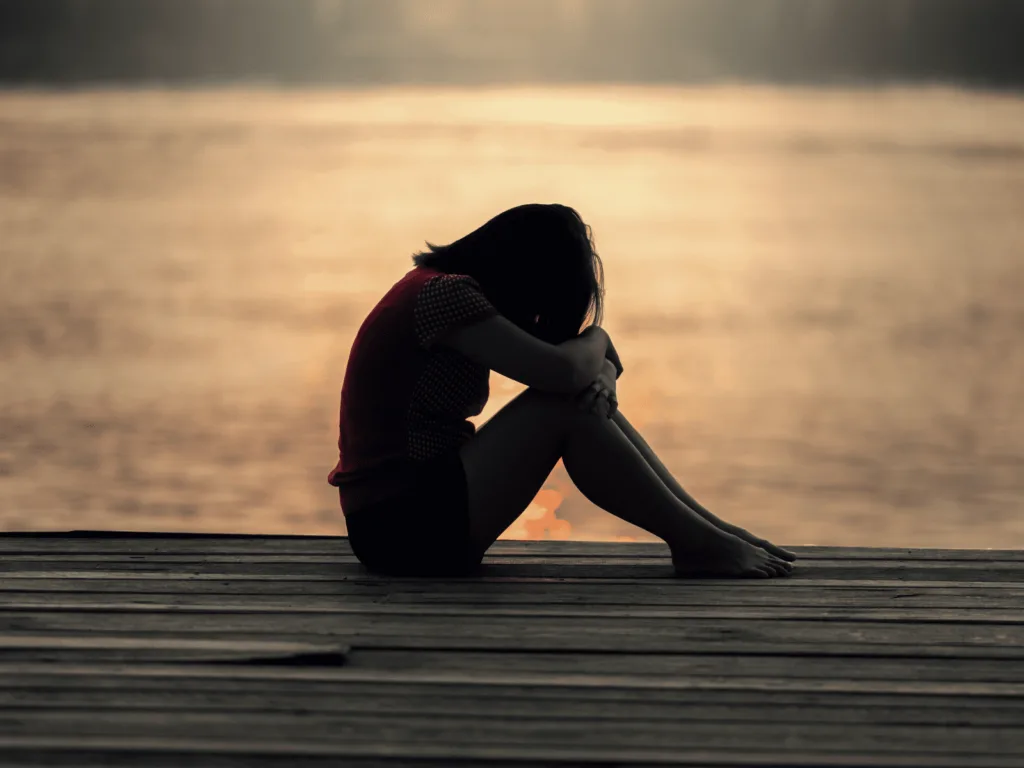
A little later, once the initial shock has passed, you’re willing to admit that you’re hurt, but you still hope that it’s not that serious and that it will pass very quickly. You embark on a medical journey, sometimes unwilling (or unable) to accept the diagnosis, the recommended rest period, or the proposed therapeutic solutions (e.g. infiltration, intensive physiotherapy, surgery, etc.). So we seek advice, look for the most favorable diagnosis, hope for the miracle solution. Inevitably, you end up disappointed!
3. Anger
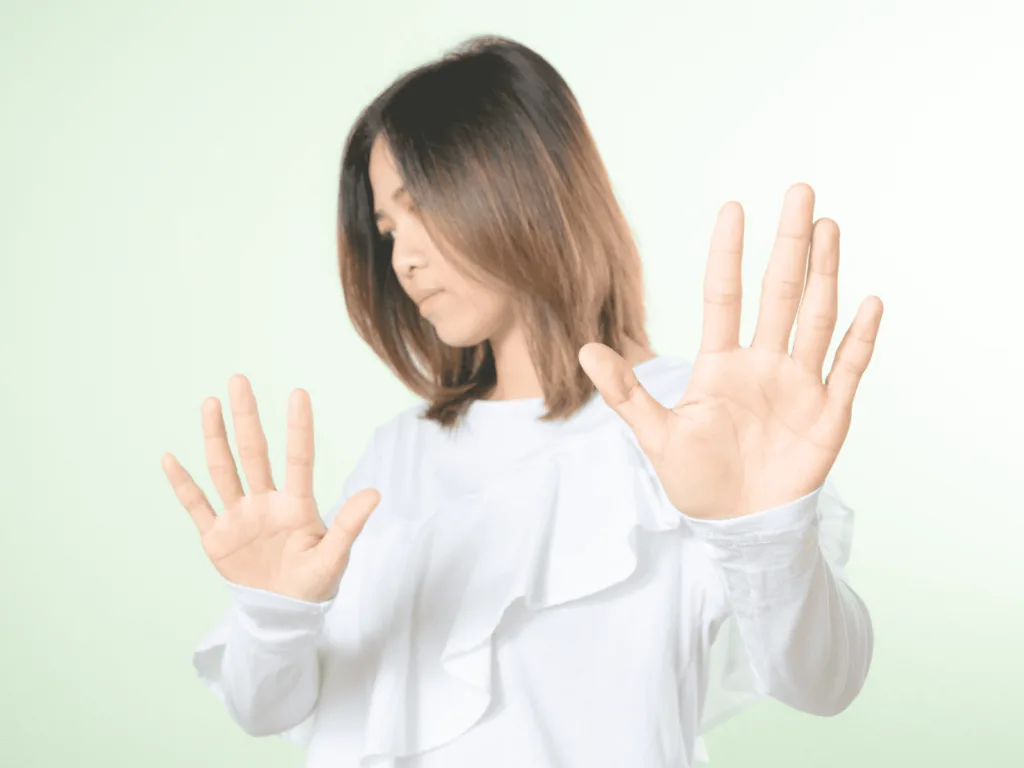
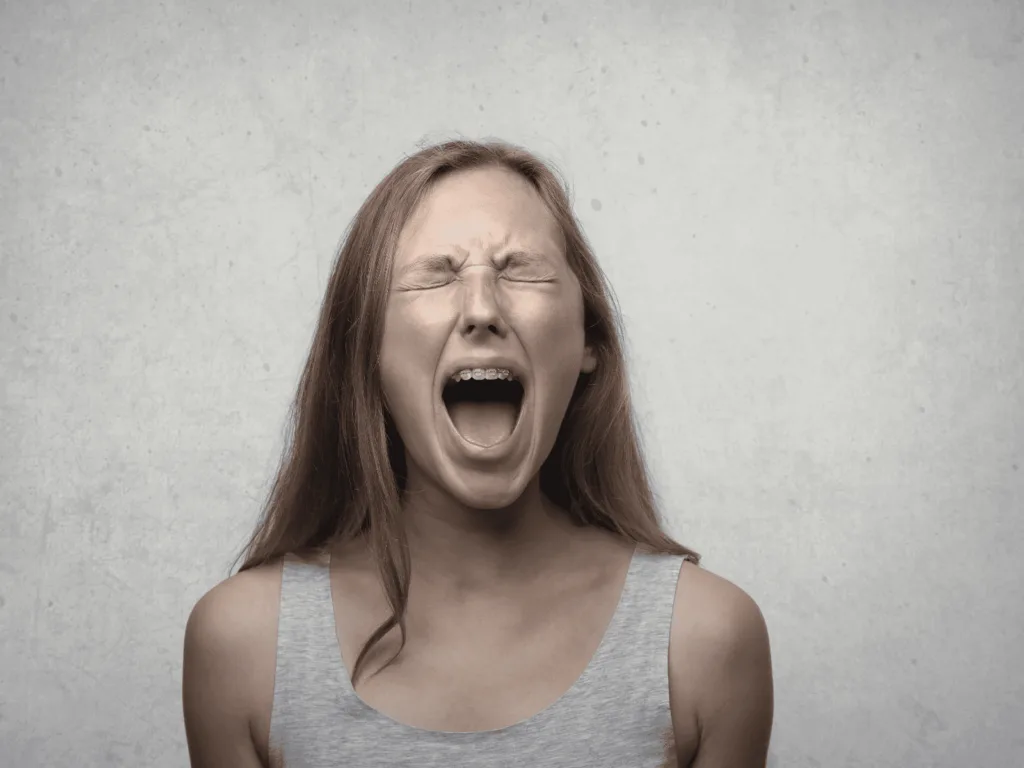
Disappointed, but angry. And that’s a big step forward! We go from : “I don’t agree”. It’s essential to welcome this anger , make room for it and let it express itself.
It’s part of the normal process, and if we try to control it excessively, or put a lid on it, we run the risk of slowing down the psychic work going on inside us.
So: allow yourself that anger, that feeling of frustration, and express it ! This doesn’t mean taking it out on those around you, or breaking your favorite dishes and then regretting it. No, the idea is not to suffer your emotions, but to accept them and work through them, so you can move on to something else. “That’s easier said than done, isn’t it? That’s one of the reasons why psychological support can be useful at this point.
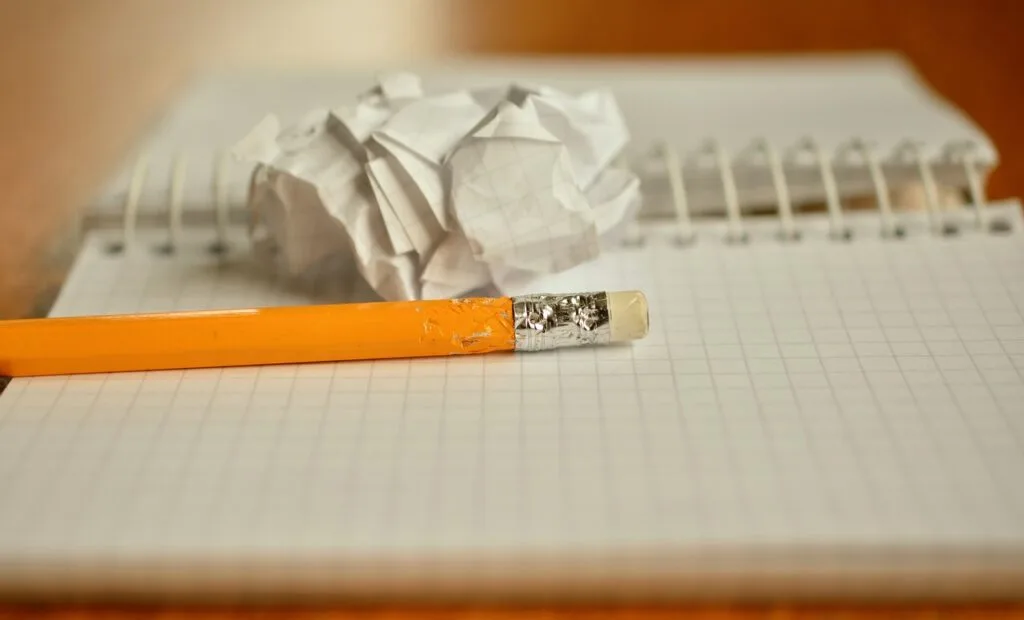
When I receive sportswomen stuck in anger, I often suggest that they write BIG on a sheet of paper, without censoring themselves, everything that’s going through their minds, everything they’re feeling.
Then I ask them if they’d like to read it aloud and share it with me. It’s a moment that sometimes turns into a laugh. Because, yes, it can do you good not to control yourself when you’re writing, to hear yourself say the words, and to see that they can be received without judgment, even when insults and pet names are flying!
What next? It’s about tearing up, tearing up consciously and in tiny pieces all those thoughts that were taking up so much space. Tear them away, and observe how you feel. The feedback is often: “I feel lighter”, “I feel a little better already”, “It feels good”.
When I ask: “And now, what would you most like to do with these little pieces: throw them in the garbage can, burn them, flush them down the toilet?”, a big smile often breaks out, and the answer comes without hesitation, whatever the option chosen So we go ahead, take action, staying connected to what we’re feeling, and the effect is always there: “it feels better!”. Even if it’s not yet nirvana, of course!
Then repeat the exercise every day, without moderation, until you feel that “that’s it, it’s gone!
4. Negotiation
At least enough for our psyche to open up to the next stage, that of negotiation. In short: we open up to the reality of the injury, but not completely. We’re willing, but “on condition that”. Provided we feel we can regain some control over what’s happening to us.
For example, we tell ourselves that if we take care of our sleep and diet, we’ll recover faster, or we explain to our physiotherapist that we’re willing to come three times a week, but only on condition that this allows us to compete in the competition scheduled for a month from now, even though we know that theoretically, we’d have to take six weeks off. Do you understand? This stage still allows us to hope a little and not face up to this too difficult reality. Thanks to it, we’ll be able to gradually get used to the idea that, in the end, we can’t control anything at all.
5. Sadness
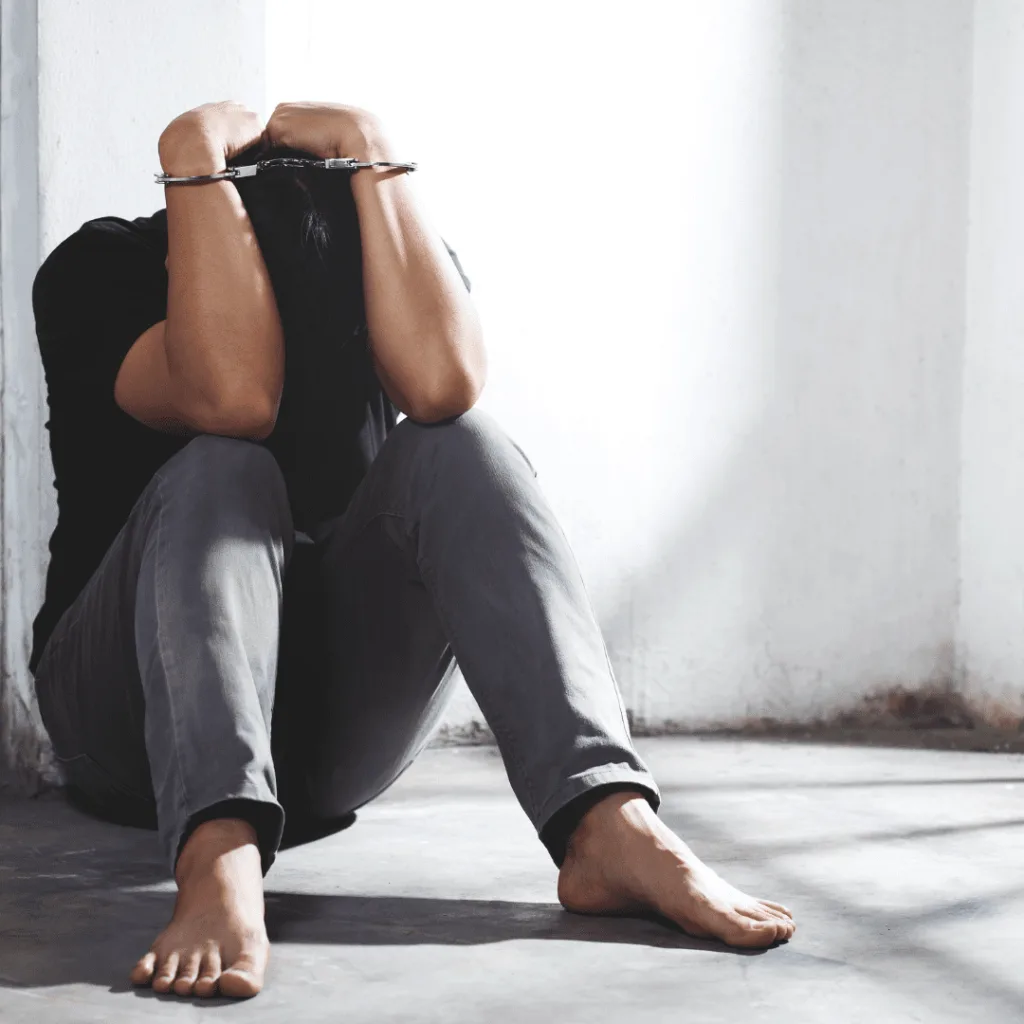
And when our psyche is ready to glimpse the reality of our injury as it really is, we enter what we call a depressive phase, colored essentially by sadness. At this stage, sportswomen tell me things that sound like this: “I don’t recognize myself anymore. I have no energy left. I don’t feel like anything, even eating. I can’t concentrate.” The people around them see it as an opportunity to catch up on school, or to catch up on work. But then it doesn’t work. For example, I hear: “I know they’re right. I’m trying, but I can’t do it. I can’t think. My head is somewhere else. I feel empty.”
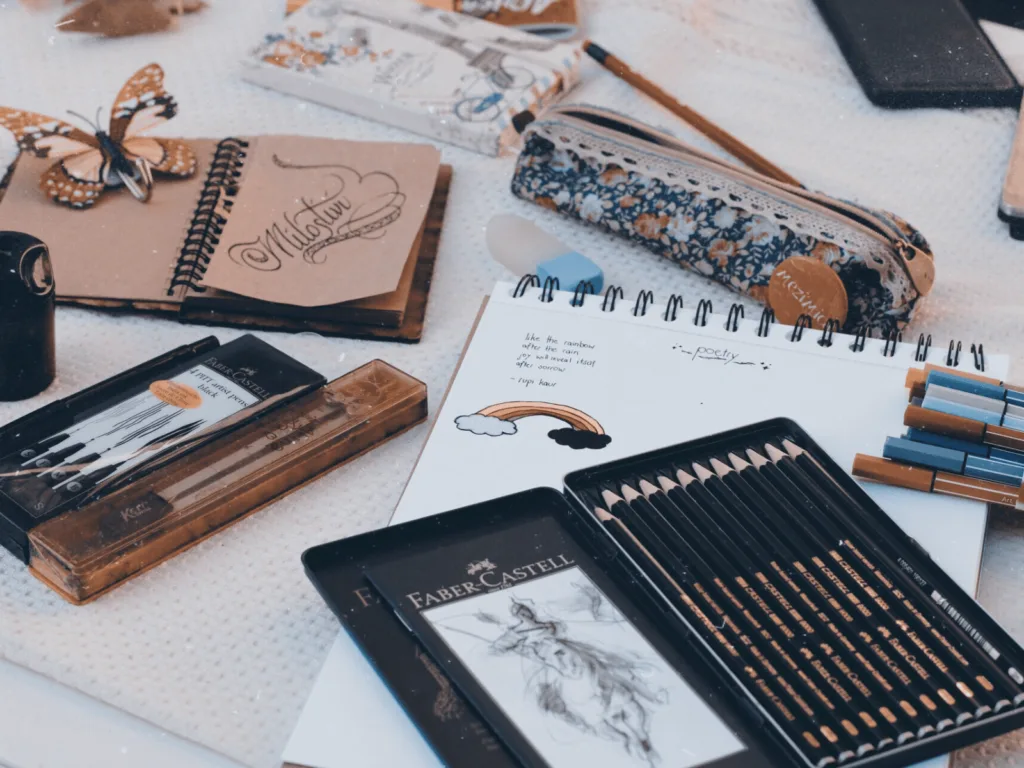
As with anger, it’s vital not to repress or put aside what you’re feeling. Tissue boxes become our best friends, but for a good cause! And it’s a good opportunity to get out pens, felt-tips, pencils, brushes, cameras and other tools to put into words, images, colors and objects all those things we’re feeling, however unpleasant they may be.
6. Acceptance
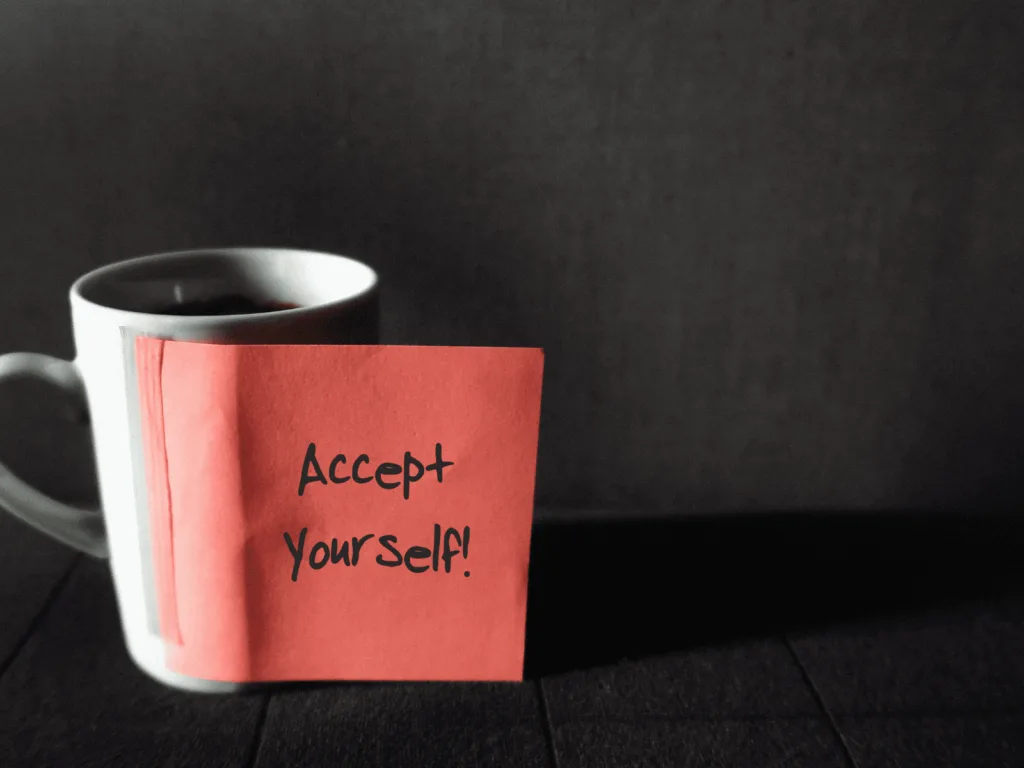
As you will have understood, the principle, whatever stage we reach, is to take our emotions as they come, without judging them, and to let them express themselves. This is what will finally lead to the possibility of serene acceptance of the injury, and the implementation of appropriate strategies to optimize recovery and guarantee a return to activity with pleasure!
On a psychological level, when entering the acceptance phase, I give two absolutely essential pieces of advice:
- The first piece of advice is to keep up a physical activity adapted to the injury, which is absolutely pain-free and a source of pleasure. At first, it’s sometimes difficult to envisage replacing cycling, running or climbing with sessions of muscle strengthening or swimming. What helps is to tell yourself that, even if it’s not ideal, you’ll always feel much better with a minimum of activity than with nothing at all. And so far, I’ve never experienced a situation where it’s totally impossible to do anything for a long time. But it’s also sometimes important to seek advice, to be able to envisage possibilities you hadn’t thought of on your own.
- The second piece of advice – and if there were only one to take away from this article, it would be this one – is to find a non-sporting activity that also brings us pleasure. Painting, drawing, crochet, embroidery, coloring, photography, cooking, gardening, DIY, guitar, writing…the possibilities are endless. Eventually, you need to take the time to experiment to find what you like best.
I remember a Pôle France judoka with a passion for photography, who took advantage of her injury to take photos of her mates during training. She then set up a blog to share her photos, and ended up exhibiting them! Another found her guitar, started taking lessons again, and ended up composing her own songs.
Doing something you love, that requires your full attention, gives you the chance, if only for a while, to stop brooding, to fill the void left by the absence of training, to feel positive emotions, to reactivate the feeling of confidence. All these things are precious for being able to connect the resources that will be needed to transform the catastrophe of injury into a challenge to be met!
The final touch 🙂
Now that the “normal” experience of a wound no longer holds any secrets for you, you know that even if it’s not always easy, it’s completely surmountable! So trust yourself and dare to experience your emotions! And if you feel that you’re stuck in one place or that you’re too destabilized, don ‘t hesitate: seek help ! It’ll be proof that you have the strength and courage to face up to your difficulties! 😉