


How to train without risk of injury? 5 tips and advice

Whatever your level, training also means knowing how to prevent injury. Poor recovery, imperfect technique or a poorly managed training load can quickly lead to injury. To continue progressing without injury, it's essential to adopt the right reflexes.

1. Gradually increase your training load
The aim of training is to subject the body to constraints in order to provoke physiological adaptations. It is this process that enables progress. To optimize these adaptations, it is essential to vary the intensity of sessions, alternating workloads.
Each workout has a load associated with it, and each exercise mobilizes specific characteristics according to the cycle: recovery, endurance, tempo, threshold, VMA, etc.
To assess training load and monitor the athlete’s state of fitness, the method most widely used by coaches is Carl Foster ‘s = total activity time in minutes x athlete’s perceived exertion (RPE out of 10).
Perceived exertion (RPE ) is subjective, but is based on concrete criteria linked to the intensity of the session. It makes it possible to quantify the effort felt physically and mentally, independently of external factors.
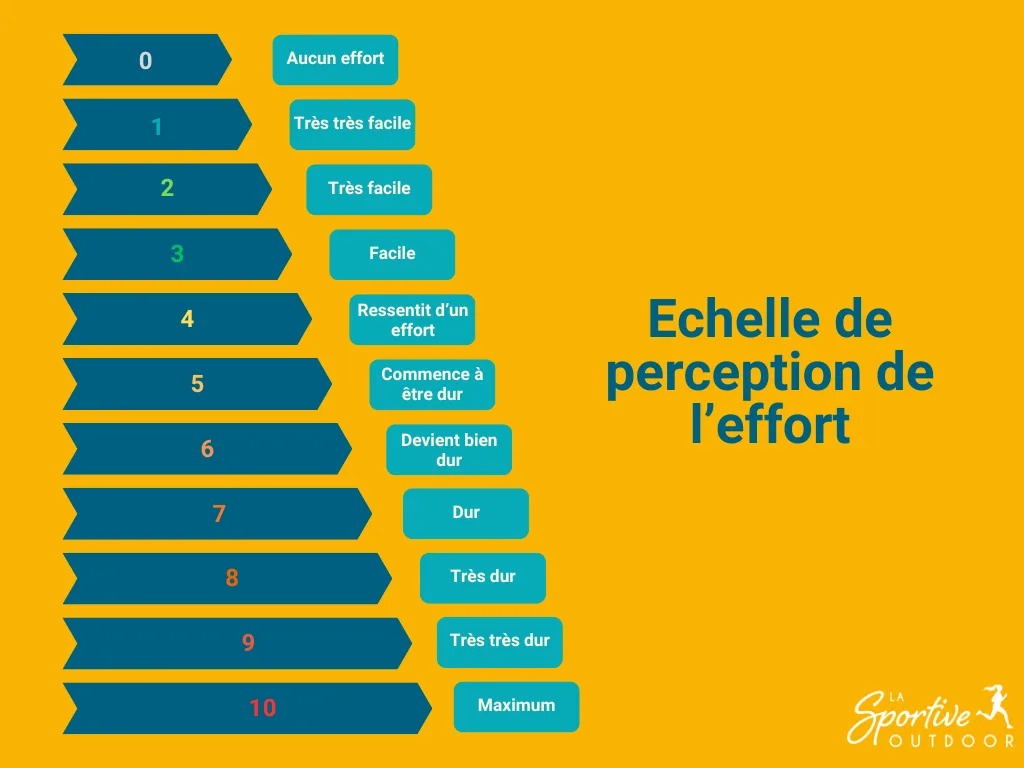
Be careful to differentiate between the feeling you get during the session and the perception of the effort involved.
The sensation is influenced by your general state of fatigue: short-term fatigue (recent session, insufficient sleep…), mental state of the day (stress, mental load, professional or family constraints…), accumulation of fatigue over a training cycle. This reflects the way the body reacts to training on the day. It’s how you live in the present moment.

You can supplement this with heart rate monitoring. Measuring your heart rate during training lets you know precisely how much time you spend in each intensity zone.
These heart rate zones are essential for effectively targeting work to your goals. You can better manage intensity, avoid overtraining… and reduce the risk of injury.
For reliable data, use a cardio belt or armband rather than an optical wrist sensor, which is often less accurate.
2. Avoid monotony
Monotony reflects a lack of variation in the training load. To make progress while limiting the risk of injury, it’s essential to vary the types of training: paces, terrain, complementary disciplines (weight-bearing sports), muscle strengthening, and to structure training in cycles with specific objectives.
It can therefore be used toassess the diversity of content and the athlete’s probable state of fitness. The lower this indicator, the better.
3. Pay attention to stress
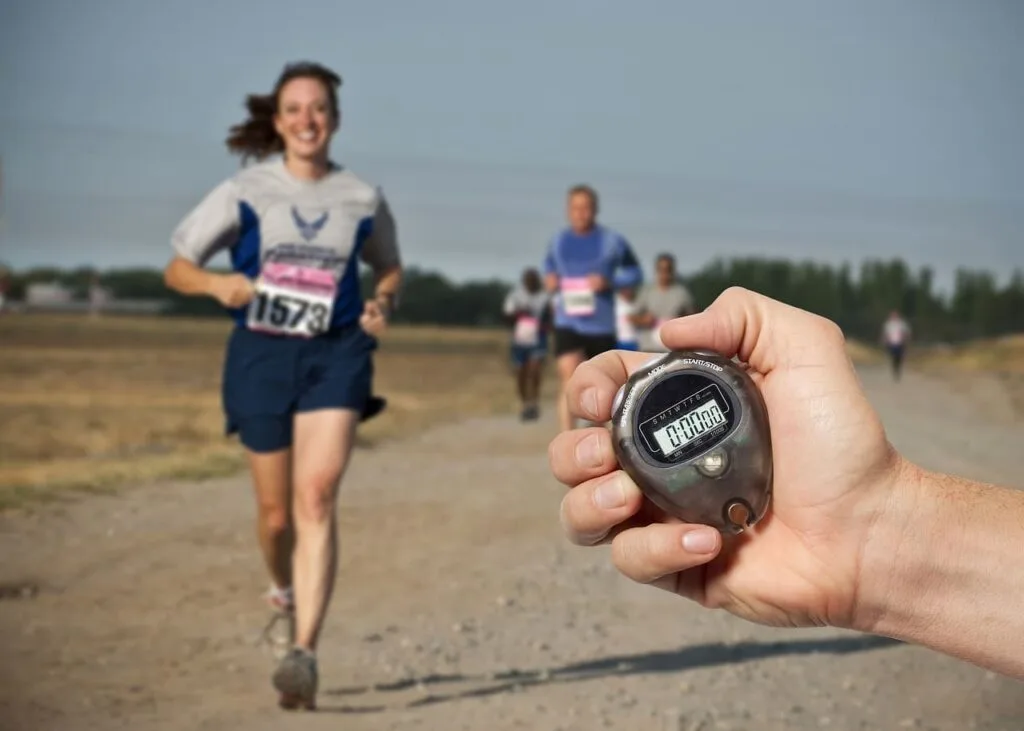
The stress on the body during a workout corresponds to the training load measured by connected watch applications.
This indicator shows whether a training session is potentially unsuitable, by highlighting overload, fatigue or the risk of overtraining.

Please note: the sensation, perception of effort, monotony and constraint of a workout are criteria that can be analyzed by training tracking platforms such as Nolio or others.
4. Take care with your warm-up and cool-down
Before any session involving intensive work (other than fundamental endurance training), take the time to warm up thoroughly.
Start with 20 to 30 minutes of running at an endurance pace, followed by 5 to 10 minutes of ranges: knee raises, heel-buttocks, bouncing strides, etc.
Once you’ve completed the intensity exercises, always finish with 10 to 15 minutes of light jogging to promote recovery.
Don’t forget: rest days are essential in a training week. All too often neglected, they play a key role in the recovery and assimilation of the efforts made.
The number of rest days must be adapted to each athlete‘s level, recovery capacity and weekly training volume.
Strengthen your body with 1 to 2 muscle-building sessions a week. The aim is to develop a solid base. It’s best to focus on the number of repetitions before gradually increasing loads.
5. Wear good shoes
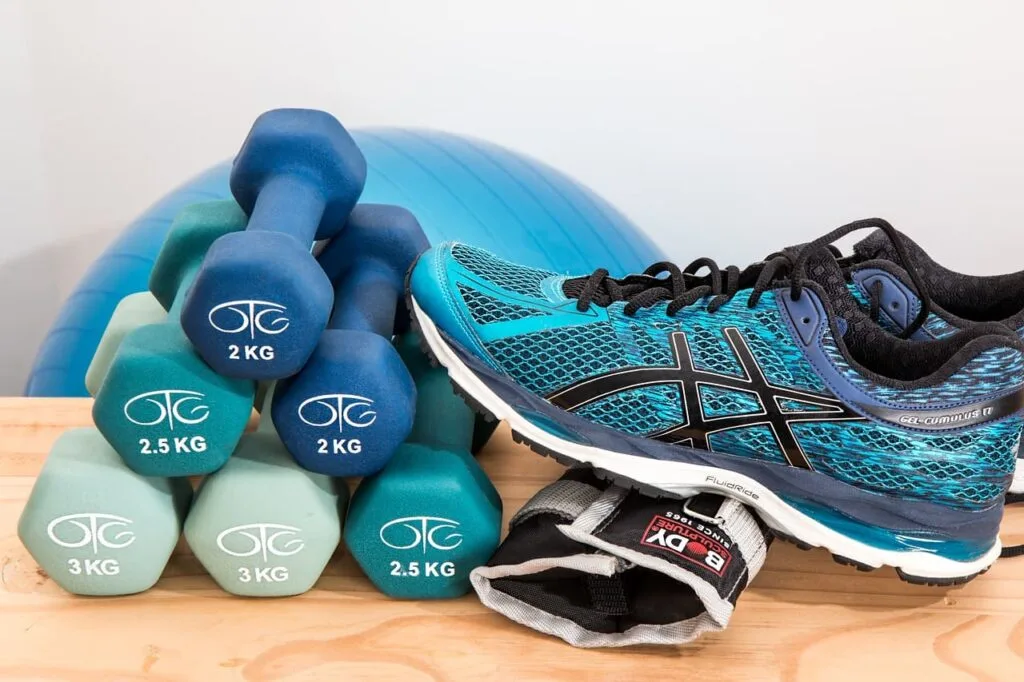
You mustn’t neglect your running gear, especially your shoes. Choose a pair of shoes adapted to your morphology, your stride and the type of terrain you’ll be running on.
With wear, shoes lose cushioning and stability, which can lead to injuries. We therefore recommend renewing them every 600 to 800 km, depending on the model and your use.
To complete the picture
Don’t hesitate to listen to the podcast episode recorded by Laurène with guest Chloë Lanthier, on injury prevention in trail running. Watch the video below or listen to the audio version here.
Conclusion
Training must be both progressive and individualized. It’s important to gradually increase the intensity of your training sessions, taking into account your level of fitness and your ability to recover.
Remember to vary the types of sessions (pace, content, format) to stimulate adaptation, get out of your comfort zone and avoid routine.
Also look out for signs of overwork, such as: persistent fatigue, unusual aches and pains, reduced motivation or performance.
These signals are indicators of an imbalance between load and recovery, and should not be ignored.