

Women’s Sports: The Mechanism of Invisibility

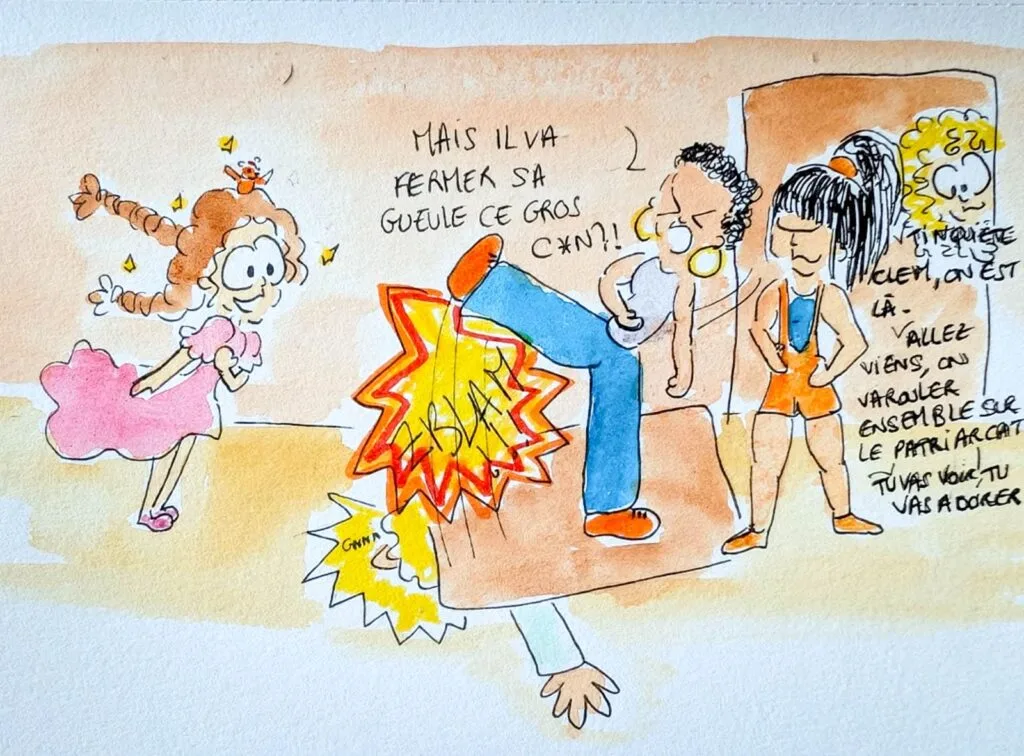
In the collective imagination, sports are primarily seen as a male domain. Women, who have nevertheless always participated in sports, have been—and continue to be—invisible and/or disparaged.

The 3 Mechanisms Behind the Invisibilization of Female Athletes
This invisibilization can be analyzed through three types of mechanisms:
- denial of existence
- denial of reality
- denial of talent or performance.
Denial of Existence
This denial of women’s existence is based on a single assumption: that, historically, women have never participated in sports. This is a deeply entrenched sexist prejudice.
Women’s sports have always existed, but patriarchy has hindered their development and erased them from history.
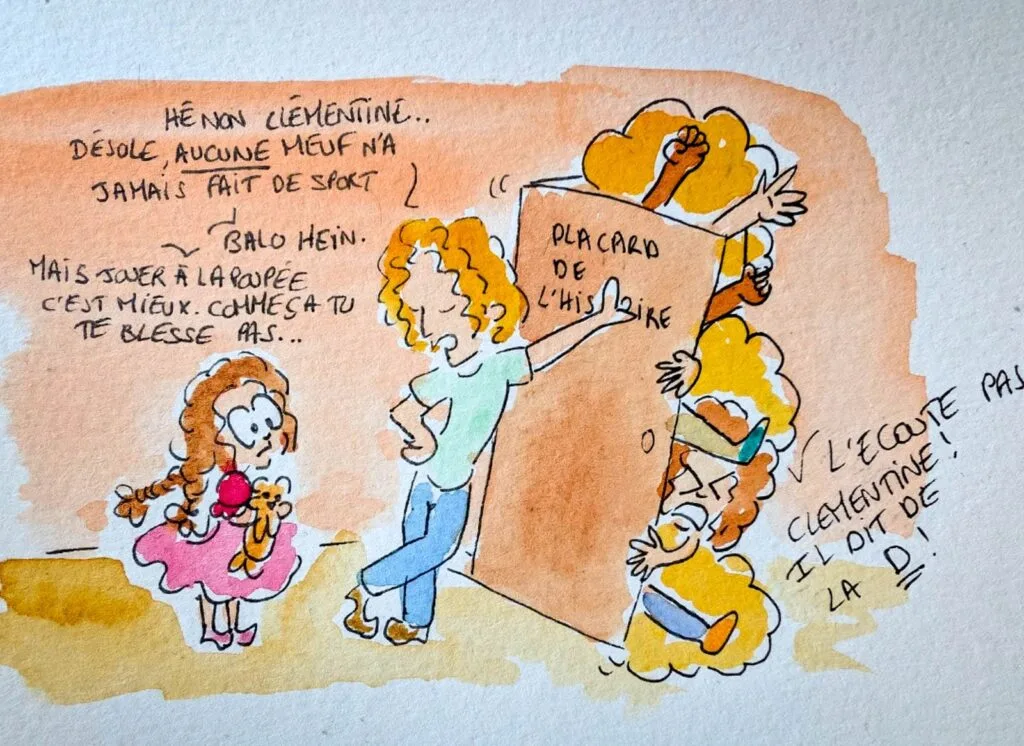
The history of women’s sports is not linear: many sports were opened up to women only to be banned again later, depending on shifting social values.
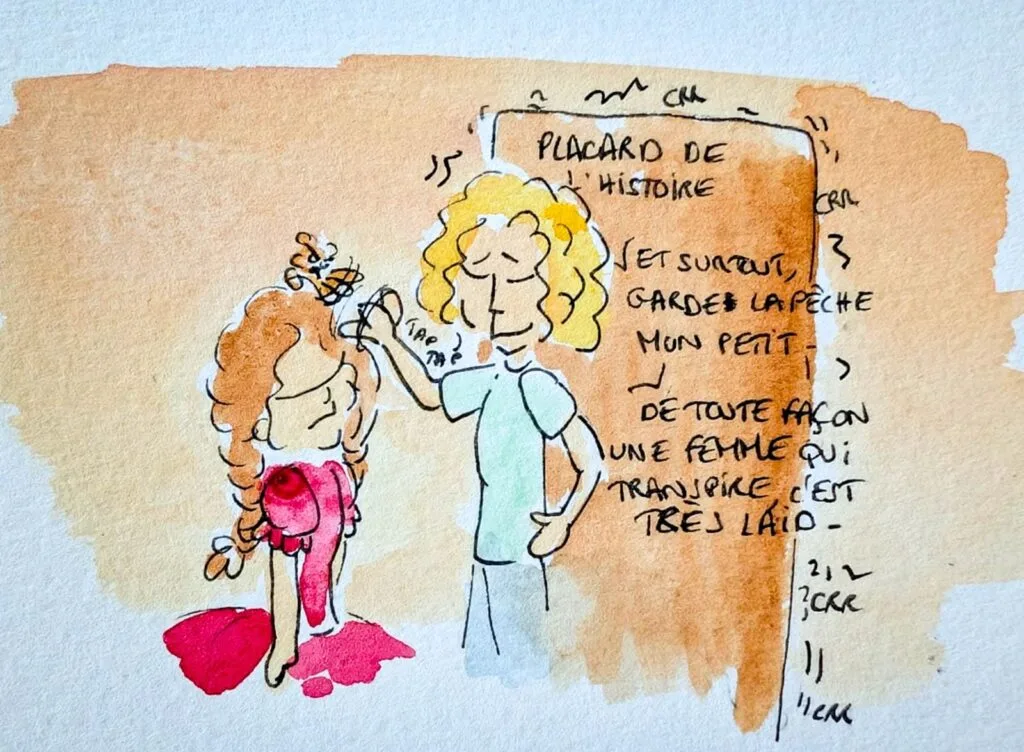
For example, the Women’s Tour de France was first held in 1955, then disappeared, only to return from 1984 to 1989 (in a significantly scaled-down version), then was discontinued again, only to be rescheduled in 1990 and run through 1993, when it was replaced by smaller-scale events that received little media coverage.
The Tour de France Femmes won’t really be back until… 2022.
Denial of reality
Denial of reality means denying what is, what exists in the present moment.
It may apply to:
- The presence of women: “There’s no point in allowing women to compete in marathons—they don’t run.”
- historical facts: “No woman has ever won an ultra race overall” or “Nobody is interested in women’s sports.”
Denial of Performance and the Politics of the Exceptional
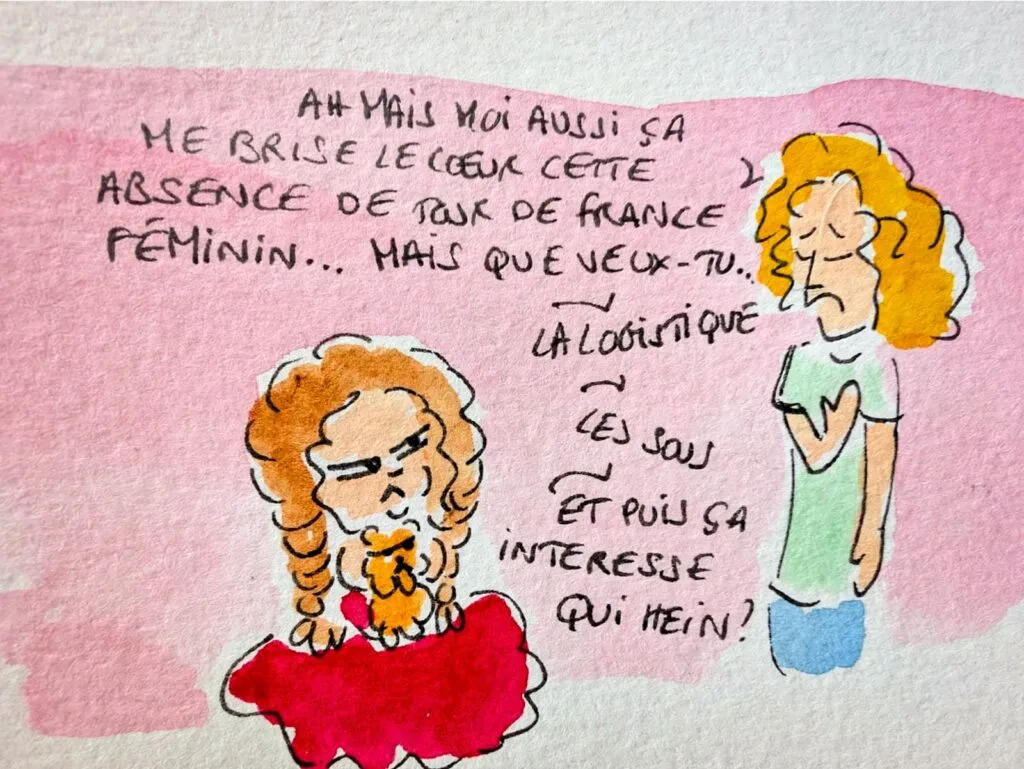
While denial of reality is somewhat less common these days, the notion that women cannot perform at a high level— or, if they do , that it is exceptional —is still very much part of the sporting mindset.
Comment soutenir La Sportive Outdoor?
L'une des façons de nous soutenir est de faire vos achats via nos sites partenaires.
L'idée n'est évidemment pas de vous pousser à la consommation: n'achetez que ce dont vous avez besoin mais, lorsque vous le faites, passer par nos liens nous aide car nous touchons ainsi une petite commission sans aucun coût supplémentaire pour vous.
Vous pouvez par exemple en ajouter certains en favoris pour vos prochains achats. Pensez à accepter les cookies de nos partenaires dès l’arrivée sur leur site.
- i-Run: jusqu'à -50% pour les Running Weeks
- Ekosport: -20% extra sur les nouveautés rando et bivouac
- Intersport: des offres sur la randonnée (notamment)
- Muule: 15% de promo avec le code VIP15
- Decathlon: pas mal de bons plans
- Lyophilisé&Co: lyophilisés, nutrition sportive et matos de bivouac
Pour plus de façons de nous soutenir, c'est ici.
It’s worth noting that a 2023 YouGov poll found that 12% of the men surveyed believe they could win a point against Serena Williams (the most successful player in tennis history, men and women combined).
This mechanism gives rise to several biases:
- the constant comparison of women’s performance to that of men, without ever appreciating the performance in and of itself
- relying on standards designed for men’s bodies to determine what is admirable and what is not (for example: the famous saying “a man can lift heavier weights” without taking the athletes’ weight into account)
- the “Smurfette syndrome” that is frequently found in the media’s portrayal of female characters
Spotlight on Smurfette Syndrome
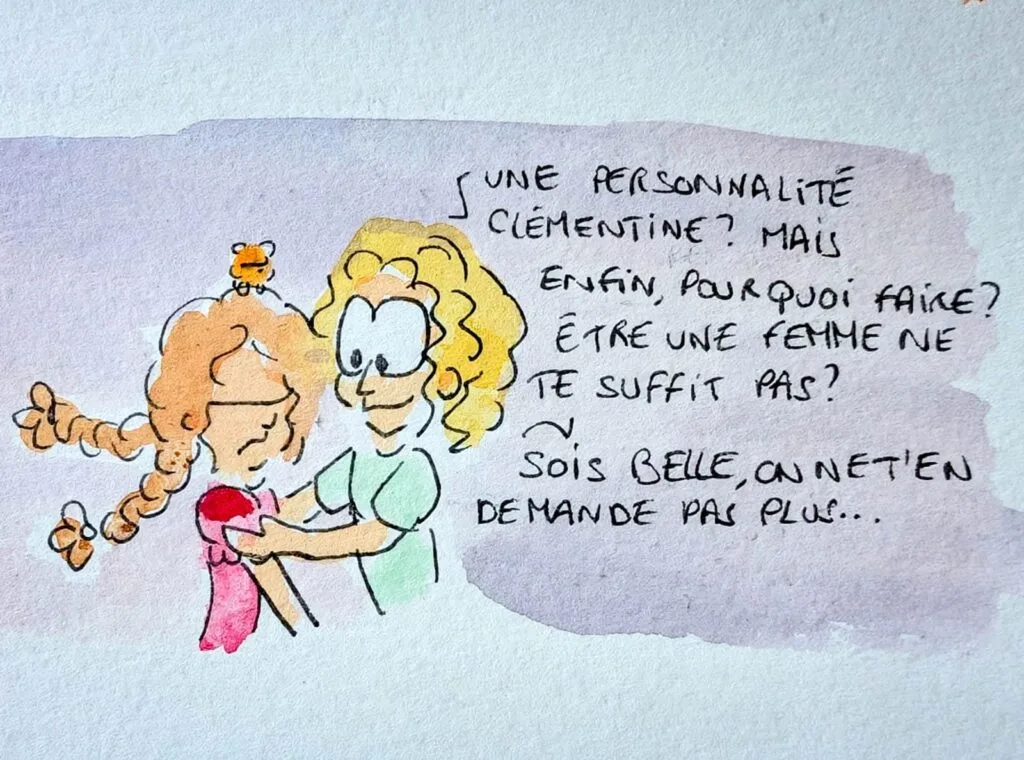
The “Smurfette Syndrome,” a term coined by Katha Pollitt in 1991, refers to the overrepresentation of male protagonists at the expense of female characters.
This concept serves, in particular, to highlight that each male character has his own personality, unlike the women, who are often reduced to their bodies. This bias is also evident in the inclusion of a single woman who serves as a “token female character.”
Let’s take the example of the Instagram account ” Les genoux dans le Gif,” which has 165k followers who are runners.
Of 100 articles published from August to February 2024 about trail runners, only 15 featured women, 5 of which were about Courtney Dauwalter.
The account claims to focus on“engaging personalities, regardless of their gender.”
Its approach is therefore quite inclusive, and the media never reduces the female runners it features to characteristics considered feminine (elegance, beauty, gentleness, family life, etc.)
Yet the numbers speak for themselves: Courtney Dauwalter is an exception in a world largely dominated by men, and since we’re talking about her, it doesn’t matter if we don’t mention the others.
Similarly, the concept of an “endearing personality”—which is overwhelmingly associated with men—demonstrates the influence of masculine stereotypes on their editorial choices.
What we’re seeing here is a more contemporary, less caricatured version of the “Smurfette syndrome,” but one that highlights the fact that female athletes are still viewed as subjects less worthy of narrative attention.
Also on the blog
Understanding the mechanisms for raising the profile of female athletes
All of these biases are often unconscious, but it is important to be aware of them in order to better understand and combat the mechanisms that render women invisible in history—and here, particularly in sports.
Because yes, this invisibility has consequences. We forget the athletic achievements, the battles and struggles, and the daily routines—and in doing so, we allow sexist prejudices to persist.
On the contrary, raising awareness means sparking new passions and taking a huge step toward equality. For example, after the 2019 Women’s World Cup, the number of girls signing up for soccer clubs in France increased by 15 to 30 percent, depending on the region.
In 2024, women’s sports in France still account for only 18% of sports broadcasts. Although this proportion has increased, equality is still a long way off.
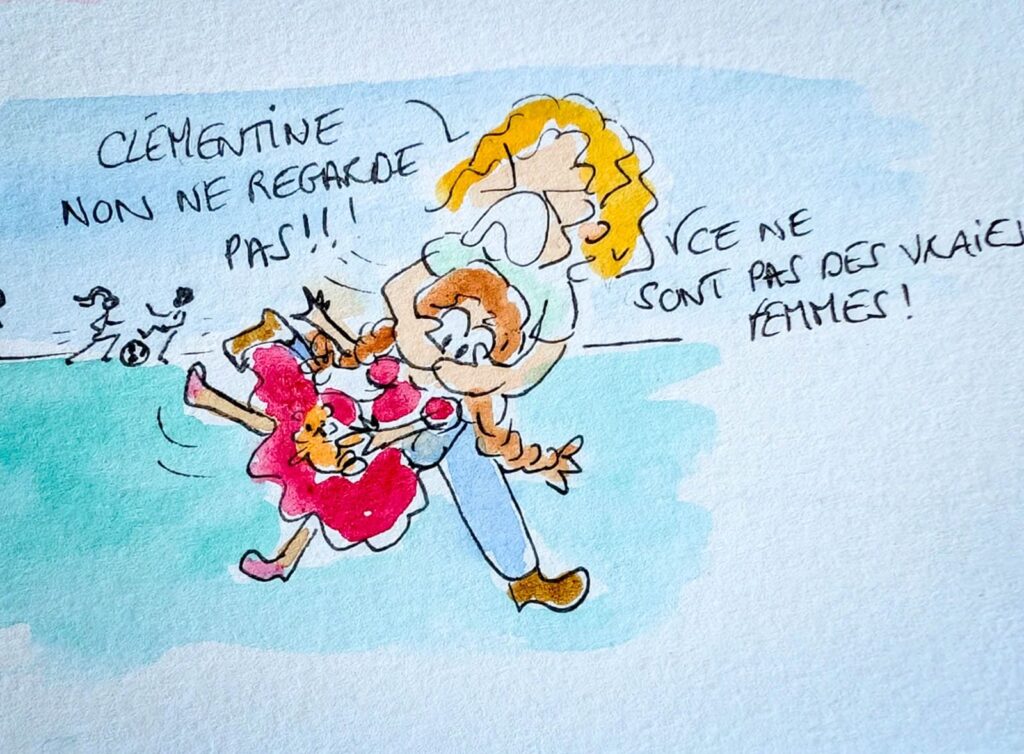
The fact that we always specify “women’s” sports— something we never do for men’s sports, since we simply refer to them as “sports”—clearly demonstrates that, in the collective imagination, sports are still very much a man’s world.
To make it a space where everyone has a place, it is therefore essential to change the way we view and treat women’s performances .