


Pregnancy and sport: optimizing your daily diet

Pregnancy is an intense physical journey—one that some women compare to a nine-month marathon. If you’re a female cyclist who loves the great outdoors, you already know that nutrition is the fuel for performance. During pregnancy, your nutritional needs change to support your baby’s development while maintaining your own energy levels. I’ll try to give you some tips on how to balance optimal nutrition for yourself, your baby, and your athletic activity.

Glycemic regulation: one of the essential pillars
During the first months of pregnancy, the body becomes particularly sensitive to insulin. This physiological adaptation helps to store the energy reserves required for the fetus’s development. This increase in insulin sensitivity can lead to episodes of reactive hypoglycemia, manifested by reduced energy, fatigue and irritability.
To limit these inconveniences, it is advisable to choose carbohydrates with a low glycemic index, to avoid excessive variations in blood sugar levels. These recommendations are particularly important at breakfast, the time of day when insulin sensitivity is naturally highest. It is therefore preferable to avoid very sweet foods in the morning.
On the other hand, especially with regular physical activity, carbohydrates are your preferred fuel, so it’s essential to maintain a source of carbohydrates at every meal.
In practice, I suggest :
- Choose wholegrain products such as brown rice, quinoa and buckwheat. These products still have their husks, which contain fiber that helps limit blood sugar peaks. Pulses are also a very interesting option, as they provide carbohydrates with low insulin secretion and an interesting protein profile.
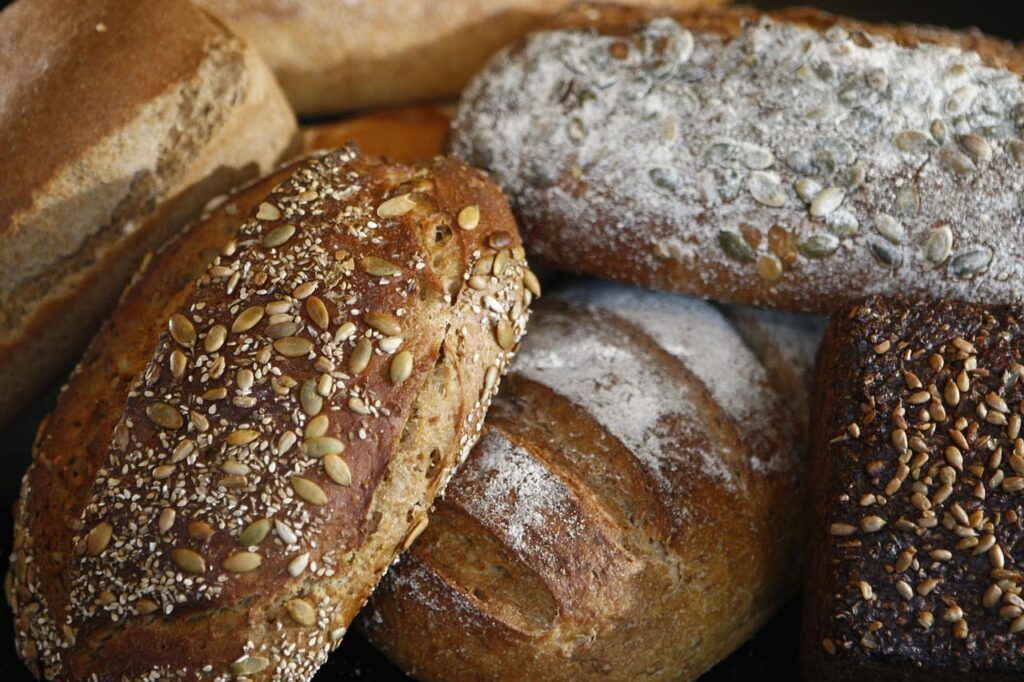
- Opt for pure sourdough bread made with ancient flour (petit épeautre, buckwheat, etc.), which is less disruptive to blood sugar levels than classic white bread. Forget rusks and rice cakes, which are highly insulin-secreting foods.
- Avoid ultra-processed products: such as puffed cereals or cookies, which trigger insulin spikes that lead to reactive hypoglycemia.
If you’re involved in long endurance activities, over 45 minutes to 1 hour, I suggest you consume carbohydrates during your effort, in the form of energy drinks, bars or compotes, depending on your preferences. In this case, count on average 30g of carbohydrates for 1 hour of effort. If you’re working out for longer than 2 hours, you can increase your carbohydrate intake to between 40 and 50 g/hour.
Your protein intake: the pillar of your recovery
From the second trimester onwards, and even more so in the third trimester, your protein requirements gradually increase. Protein is essential not only for building the tissues of your future baby, but also for maintaining your muscles and supporting your physical activity.
For women involved in endurance sports, the average requirement is estimated at between 1.4 and 1.6 g of protein per kilo of body weight per day. For strength or muscle-building sports, they can rise to 1.6 to 1.8 g/kg, i.e. around 112 to 126 g of daily protein for a 70 kg woman. For example, 100 g of chicken provides around 20 g of protein, which shows how important it is to pay attention to your daily intake. This target can be even more complex to achieve when trying to balance intakes between animal and plant proteins.
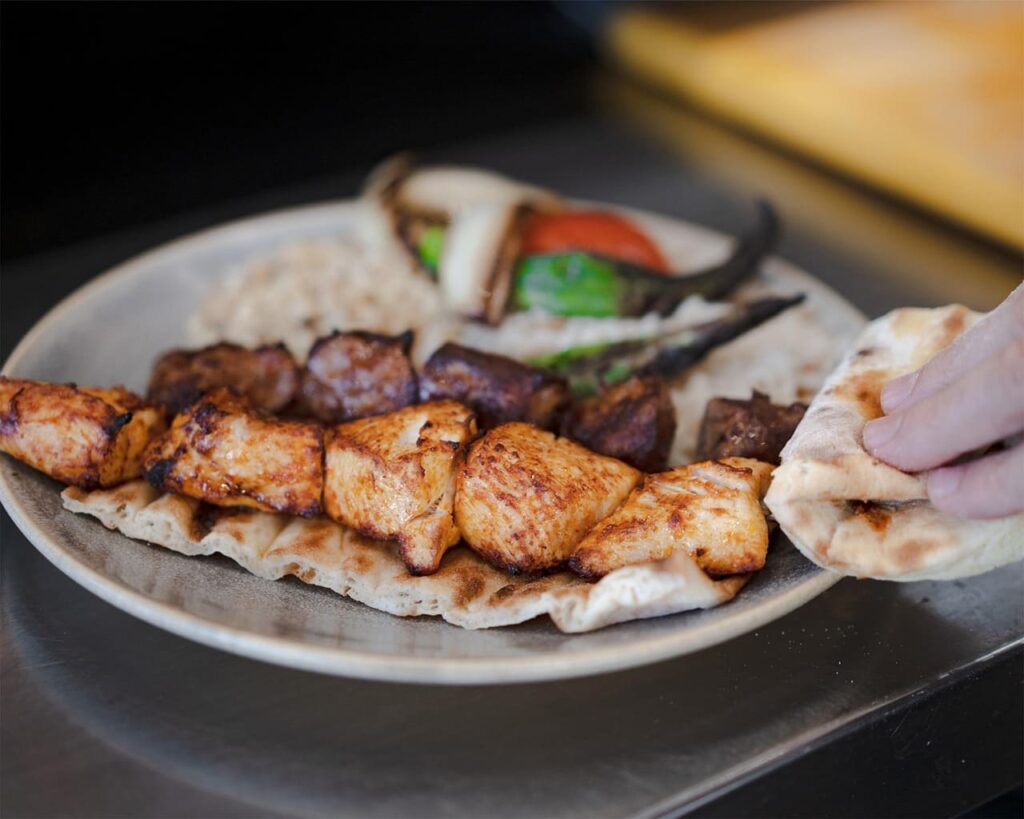
It’s also important to remember that not all proteins have the same nutritional quality. Animal proteins generally have a more complete amino acid profile and are easier to digest. Vegetable proteins, found notably in legumes, are still very interesting, but contain certain compounds that can partially limit their absorption.
The timing of protein consumption may also be of interest. Morning and noon are favorable times to eat foods rich in tyrosine, an amino acid precursor of dopamine and noradrenaline, involved in alertness, concentration and motivation. For example, eggs eaten for breakfast not only provide high-quality protein, but also precursors of neurotransmitters that stimulate alertness.
Comment soutenir La Sportive Outdoor?
L'une des façons de nous soutenir est de faire vos achats via nos sites partenaires.
L'idée n'est évidemment pas de vous pousser à la consommation: n'achetez que ce dont vous avez besoin mais, lorsque vous le faites, passer par nos liens nous aide car nous touchons ainsi une petite commission sans aucun coût supplémentaire pour vous.
Vous pouvez par exemple en ajouter certains en favoris pour vos prochains achats. Pensez à accepter les cookies de nos partenaires dès l’arrivée sur leur site.
- i-Run: Jusqu'à - 50% pour les soldes
- Ekosport: Jusqu'à -70% pour les Soldes
- Intersport: -50% sur une large sélection outdoor pour les Soldes
- Decathlon: Jusqu'à -50% pour les soldes d'été
- Muule: Jusqu'à -70% sur une sélection outdoor pour les soldes
Pour plus de façons de nous soutenir, c'est ici.

Conversely, in the evening, vegetable proteins from legumes, richer in tryptophan, can promote the synthesis of serotonin and then melatonin, hormones involved in calming and sleep.
Finally, the timing of protein intake is particularly important for female sports enthusiasts. Consuming protein after exercise, particularly after a muscle-strengthening session, promotes muscle recovery and resynthesis.

Here’s my practical advice:
- Start your day with 2 sources of protein: 2 eggs, or 1 ewe’s yoghurt and 1 egg, and occasionally 1 or 2 slices of nitrite-free ham. You can supplement this with 1 handful of oilseeds for protein and good fats.
- At breakfast, continue to provide quality protein, alternating between poultry, white fish, small oily fish and occasionally a little red meat.
- For dinner, opt for a plant-based plate of legumes (soaked beforehand) and whole grain products. For example, coral lentil dhal with rice, or chili sin carne with kidney beans and corn.
- In addition, and depending on your tolerance, you can consume 1 to 3 dairy products a day, preferably goat’s milk or ewe’s milk. 1 ewe’s milk cottage cheese (100g) provides an average of 8g of protein.
Increased omega-3 requirements
Your need for fat increases sharply during pregnancy. They represent 35 to 40% of your energy needs. Beyond the quantitative aspect, the quality of fats is essential, and in particular the intake of long-chain omega-3s (EPA, DHA), as the body is unable to manufacture them: they must therefore be provided by the diet. These omega-3s also play a key role in managing inflammation, which is particularly important when you’re physically active.
In practical terms, here’s what I recommend:
- Fill up on DHA: this omega-3 fatty acid is crucial for your baby’s brain development and helps regulate inflammation.
- Eat small oily fish (sardines, mackerel) twice a week.
- Every day, season your dishes with 2 tablespoons of cold-pressed rapeseed oil, and store in the refrigerator.

What does a balanced diet look like?
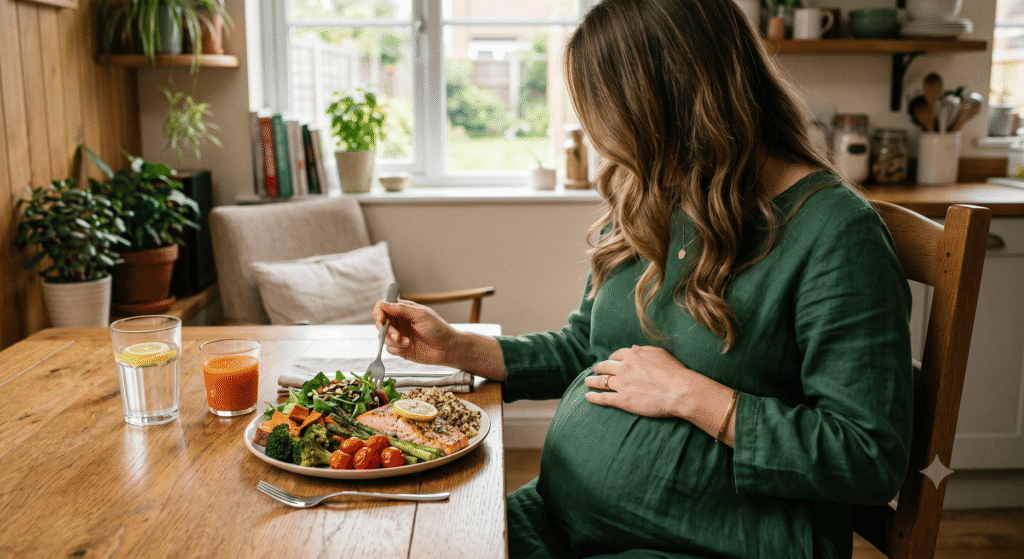
Here’s an example of a typical day to cover nutritional needs during pregnancy, while supporting energy and regular physical activity.
For breakfast
- 2 scrambled eggs or omelettes (cooked thoroughly to limit the risk of food contamination)
- 1 handful of oilseeds: almonds, walnuts or hazelnuts
- 1 piece of fresh seasonal fruit
- A few slices of natural sourdough bread, to suit your hunger and level of physical activity
For lunch
- 1 tin sardines in olive oil
- Raw and/or cooked vegetables seasoned with 2 tablespoons of rapeseed oil
- One portion of quinoa, to be adjusted according to your energy requirements and your sporting activity.
For dessert or as a complement:
- 1 to 2 squares of dark chocolate
- or sheep’s yogurt
At snack time
- 1 fresh fruit
- 1 to 2 squares of dark chocolate or a handful of oilseeds
For dinner
Choose a predominantly plant-based meal consisting of :
- ⅓ of lentils
- ⅓ of semi-complete rice
- ⅓ of cooked vegetables, such as zucchini
You can round off the meal with sheep’s yoghurt.
Of course, this example needs to be tailored to your appetite, digestive tolerance, level of physical activity and specific needs during pregnancy.
Conclusion
During pregnancy, diet is not just about “eating for two”, but above all about intelligently nourishing a body in full adaptation. With regular physical activity, energy, protein and micronutrition requirements become even more specific. The aim is not perfection, but to find a balance that supports your health, your baby’s development and your ability to remain active with pleasure.
Favoring minimally processed foods, paying attention to the quality of carbohydrates, ensuring sufficient protein and omega-3 intake, while respecting feelings of hunger, fatigue and recovery, forms a solid foundation throughout pregnancy.
Finally, every pregnancy is unique. Your appetite, digestive tolerance, activity level and energy levels may change from one trimester to the next. The most important thing is to gradually adapt your diet to your real needs, without feeling guilty or rigid, so that you can live through this period with as much serenity, energy and vitality as possible.